

Disability justice activists know best.
In the face of discrimination, lack of access, and exclusion, they come up
with innovative and effective ideas to unlock real and lasting change in their
communities. No one understands the challenges faced by disabled people better than those who live them.
But there is a problem.
Disabled people’s own ideas to make their lives better are dramatically
underfunded. And too often it is not disabled people themselves who get to decide how little funding available is used.
We believe participatory grant-making is the answer.
What is Participatory Grant-Making?
Participatory grant-making is a different approach to giving out money as grants where the people receiving the money also get to say how much is given to whom, and how it is spent.
This could look like a panel of disability justice activists deciding which of their peers should receive funding based on their knowledge of the context of the work, and of being disabled. It could also be done slightly differently, for example in the context of an emergency, but always has the group it is funding at the centre of decision-making.
This is in opposition to traditional models of grant-making, where money often comes with a set of conditions about how it must be spent, and the requirement to report back in a very specific way about it. The trouble with this is that it means the money often goes to people and organisations who are good at applying for grants, and good at reporting, but not necessarily those who are best placed to do the work. We want to make sure money flows to disability justice activists and organisations who have the right, and the unique knowledge to use it. Participatory grant-making is the approach we are taking to make this happen.
At the heart of participatory grant-making is the idea that decision-making power about funding sits with the groups it aims to serve. This includes power over the design of the funding as well as who receives the grants.
The Disability Justice Fund for Women.
We launched the Disability Justice Fund for Women – a participatory fund designed by women with disabilities in Ghana, Uganda and Tanzania, to make sure it meets the real needs of disability justice activists in these countries.
A group of women with disabilities from Ghana, Uganda and Tanzania worked together to decide how funding for women with disabilities should best be spent – and who it should be spent by.
Grants have been given out to grassroots organisations led by women with disabilities – a group that are often overlooked when it comes to funding. The money is being used by grantees in Ghana, Tanzania and Uganda to support their work advocating for justice and equality and supporting the African Disability Protocol – a framework for disability justice in Africa, as well as activities like income generation, making spaces more accessible, and strengthening disability justice movements to work together.
One of the design team members says:

“Designing the fund ourselves as women with disabilities offers us the golden opportunity to design a specific grant that speaks so much to the specific needs of women and girls with disabilities at all levels especially at the grassroot.”
Veronica, Ghana.
Read more about this work here.
The Disability Justice Fund for Youth.
The Disability Justice Fund for Youth is a participatory fund being designed by a group of young disabled people from Uganda, Cambodia, and Bangladesh. They will decide how the funding is given out, and using their lived experience expertise they will make sure the money is used where it will have the most impact.
Recently, young people with disabilities came together, discussed and shared the situation of their peers in each of their countries. They discussed the possible priority groups and areas of focus and how this grant could help make a difference. They agreed how the fund should operate and how grantees should be selected.
One of the design team members from Bangladesh says:
“This is my first experience of being on a grantmaking panel and I have learnt a lot throughout the journey. It is important that young people with disabilities are the ones deciding how grants are awarded and what the funds are used for because we have the knowledge about the challenges young people with disabilities face and the right solutions and this helps to ensure the best use of resources.
I want donors and funders to understand that giving money directly to youth with disabilities is an investment in real change.”
Read more about this work here.
The Cambodia Collaborative Fund.
The first phase of the fund took place between 2024 and 2025 and supported 13 Organisations of Persons with Disabilities (OPDs) in Kampong Speu and Kampong Cham provinces.
The organisations led activities focused on disability justice awareness, social protection, inclusive livelihoods, leadership development, and advocacy with local authorities.
Through the fund Organisations of Persons with Disabilities (OPDs) themselves organised and met to learn from one another through workshops and learning forums where they shared their own experiences and skills.
Many participants said the fund gave them an opportunity to reconnect, learn together, and support one another after years of working with limited resources. The learning and sharing forums helped Organisations of Persons with Disabilities (OPDs) leaders build confidence in areas such as leadership, facilitation, financial management, advocacy, and organisational development.
As the programme developed, more and more sessions were led by Organisations of Persons with Disabilities (OPDs) representatives themselves, helping strengthen leadership within the disability movement.
One of the disability justice activists from Cambodia said:

“This workshop gave Organisations of Persons with Disabilities (OPDs) the opportunity to make decisions together and support one another through collective planning and shared responsibility. Flexible funding is more effective because it helps us respond to real situations and community needs.”
Soy Sokhorn, Executive Director, Representative Self Help Disabilities Organization
Read more about this work here.
The Bangladesh Collaborative Fund.
The first pilot of the Bangladesh Mental Health Collaborative Fund took place between 2024 and 2025. Through this approach to funding, seven Organisations of Persons with Disabilities (OPDs) received and managed funds directly. They designed and led their own activities based on the needs of their communities.
This helped strengthen their organisations and build their confidence in leading their own work. With the funding they received, the organisations improved their work to promote disability rights and mental health in their local communities. They also supported people with disabilities to access national identity cards and government disability allowances.
The organisations started small businesses and other activities to support their work and members. These included fish and chicken farming, clean water delivery, tailoring, and boat rentals. They also organised health camps and community activities focused on mental health.
In October 2025, the seven organisations came together for a workshop to reflect, learn, and plan ahead. They shared their experiences and lessons from the past year and started planning the next phase of the fund. The workshop gave the organisations an opportunity to learn from one another and strengthen their work supporting disability rights and mental health in their communities.
One of the disability justice activists that attended the meeting said:
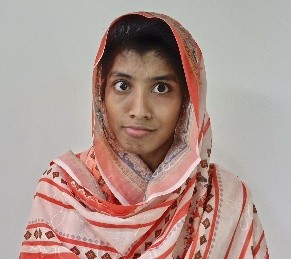
“As young people with disabilities, we can take the lead. I never imagined that I could work as general secretary of an organisation. Leading this project over the past year has given me a lot of experience, especially in planning activities. I want to continue helping young people with disabilities like me build their leadership skills if we receive funding for the next phase.”
Parhana, Bangladesh
Read more about this work here.
Participatory Grant-Making in an emergency.
In 2023, fighting broke out in Sudan, causing many people to be displaced. Those with disabilities were disproportionately affected, losing access to their homes, medication and assistive devices they relied on. While many organisations supported people affected by the conflict, people with disabilities told us they were missing out on the help they really needed.
ADD worked with our network of organisations run by disabled people in Sudan, who got together and formed committees. We ran an appeal to raise money for Sudan, and those committees decided how it should be spent.
Because disabled people themselves were the ones deciding how the money should be spent, they were able to identify needs that had been overlooked, and fund ideas that would really help. Many of the disabled people they represented reported that they really needed cash to cover things like medical expenses, and this had not been available.
The participatory grant making has taken place in three phases in five states hosting large numbers of displaced people with disabilities: Gezira State, River Nile, Gedarif, Kassala, and Red Sea.
One woman who received money explained why this was important:
“The money support me to have safe delivery as I have to admitted to hospital for the surgery I was very sad because I haven’t money to pay the fees of hospital but when I received the money, I paid the fees and delivered my child safety.”
A disabled woman from Gedarif, Sudan.
When disabled people themselves decide how money is spent, it has more of an impact. Read more about this work here.
Our Tanzania Participatory Grant-Making pilot.
In 2023 we ran a pilot for participatory grant-making in Tanzania. Young disability justice activists came together to agree the process, and ultimately formed a panel. Other young activists applied for funding to make their ideas for change a reality, and the panel decided which ideas should receive funding.
Zenna was one of the people on the deciding panel.
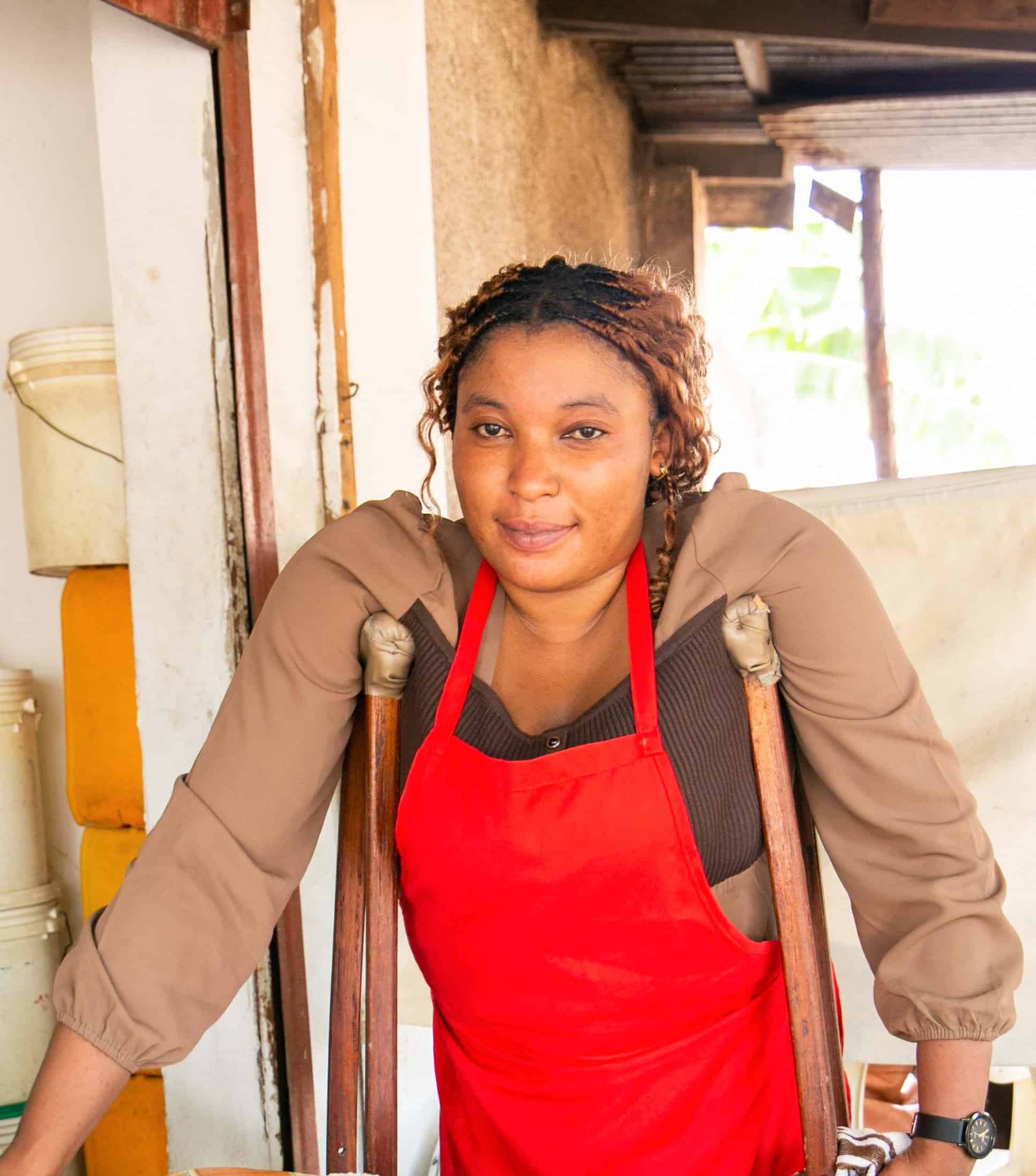
“People with disabilities are very skilled and should be given a chance to lead. In my country, it’s not very easy for Organisations of People with Disabilities to get funds.”
Zenna.
The panel awarded funding to two initiatives – one of which was Eva’s. Eva is a young, determined disability justice activist who has faced discrimination and exclusion. Her idea? To tackle stigma in her community through the power of music.

“I want to engage bus drivers and conductors to raise awareness and change their attitudes and perceptions towards persons with disabilities.”
Eva.
With funding, she can reach a wider audience with her music, ensuring that disabled people all over Tanzania can realise their right to use public transport.
The panel decided to award a second grant to Yumna, Jamila and Fakihat, who have trained disabled people in their community in digital literacy skills, so that they can get online to access opportunities and tackle digital discrimination.
“Giving us the power to decide what projects to implement and how, gives us the chance to address the actual problems that persons with disabilities face. This is because we are the ones being affected, hence understanding the desired solutions.”
Yumna, Jamila and Fakihat.
Through their project they are training peers who will go on to train even more people in their communities.
When people with disabilities decide how funding is used they ensure that the most pressing issues are addressed based on their own experiences, and that the projects most likely to succeed are the ones which go ahead.
FIND OUT MORE

DISABILITY JUSTICE FUND FOR YOUTH
A participatory fund for young people with disabilities in Cambodia, Bangladesh, and Uganda.

DISABILITY JUSTICE FUND FOR WOMEN
A participatory fund for women with disabilities in Uganda, Tanzania, and Ghana.
