

Mental Health in Bangladesh.
Mental health affects millions of people around the world, but in Bangladesh it is still often difficult to talk about openly. Many people do not have access to accurate information or trained mental health professionals. Because of this, some turn to traditional healers for support, which can sometimes be harmful or unsafe.
Mental health services in Bangladesh are limited, making it hard for many people to get the support they need. Harmful myths and misunderstandings about mental health are also common, including beliefs that mental illness is caused by evil spirits or possession.
In our previous mental health work in Bangladesh, we supported disability justice activists with funding to run community awareness activities, mental health camps, and campaigns calling for policy change.
This helped build stronger advocacy efforts and encouraged the government to begin discussions on progress in implementing mental health laws, policies, and plans.
Participatory Grant-Making in Mental Health.
The first pilot of the Bangladesh Mental Health Collaborative Fund took place between 2024 and 2025. Through this community-led approach to funding, seven Organisations of Persons with Disabilities (OPDs) received and managed funds directly. They planned and led activities based on the needs of their own communities.
This helped strengthen the organisations and build their confidence in leading their own work. With the funding they received, they expanded their work supporting disability justice and mental health in local communities. They also helped people with disabilities access national identity cards and government disability allowances.
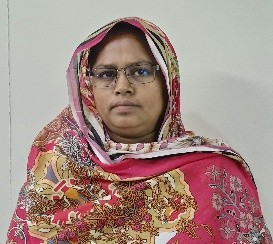
“This time’s workshop was different because representatives from organisations of persons with disabilities led the sessions themselves. I facilitated one session, which made me very excited. At first, I lacked confidence, but others encouraged me.”
Tani, Disability Justice Activist, Bangladesh.
The organisations also started small businesses and other activities to support their work and members. These included fish and chicken farming, clean water delivery, tailoring, and boat rentals. They organised health camps and community activities focused on mental health as well.
After the first phase of the project, the organisations came together to share their experiences and lessons learned. They also started planning the next phase of the fund. The workshop gave them space to learn from one another and strengthen their work on disability justice and mental health in their communities.
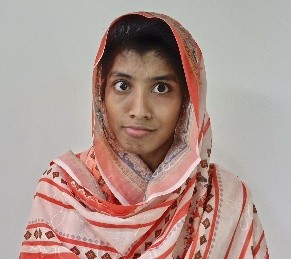
“As young people with disabilities, we can take the lead. I never imagined that I could work as general secretary of an organisation. Leading this project over the past year has given me a lot of experience, especially in planning activities. I want to continue helping young people with disabilities like me build their leadership skills if we receive funding for the next phase.”
Parhana, Disability Justice Activist, Bangladesh.
Planning for the second phase is now underway. Disability justice activists and organisations will continue working together to decide how the funding should be used and what future projects they want to support, including work beyond mental health.
FIND OUT MORE

PARTICIPATORY GRANT-MAKING
Participatory grant-making is a different approach to giving out money as grants where the people receiving the money also get to say how much is given to whom, and how it is spent.

MTIRIRIKO – ADD’S STRATEGY
We named our strategy mtiririko which means ‘flow’ in Swahili because we want to see resources flow to disability justice movements as result of the work that we all do.