

Vannet is the Executive Director of the Women and Children with Disability Forum in Kampong Cham Province. Their group received funding through ADD International’s Participatory Grant Making Collaborative Fund in Cambodia. They also received funding support through the BBC Radio 4 Appeal, and with the grants they have been able to implement project activities and create a safe space where the members can share their experiences, and access support and connect with others.
The Collaborative Fund in Cambodia is now in its second round of funding. The Women and Children with Disabilities Forum Kampong Cham has been supported since the first round of the fund and continues to build on its work through the current funding period, which runs until December 2026.
Creating a safe space for women with disabilities in Cambodia.
Before Vannet established the Women and Children with Disability Forum, Persons with disabilities in Kampong Cham Province were being isolated, dependent on others and experiencing a lot of discrimination in the community. Through the group she has created a safe space for them to share their experiences and access support.
She shares the impact of the grant received and says;
“Through the grant that we received, our group was able to design twelve project activities, these included, conducting community awareness on disability rights and gender-based violence, provide the livelihood project support for women and girls with disabilities to increase their family economic and social connection, conduct the community awareness on social protection for people with disabilities, establish a self-help group for women with disabilities among other activities.”
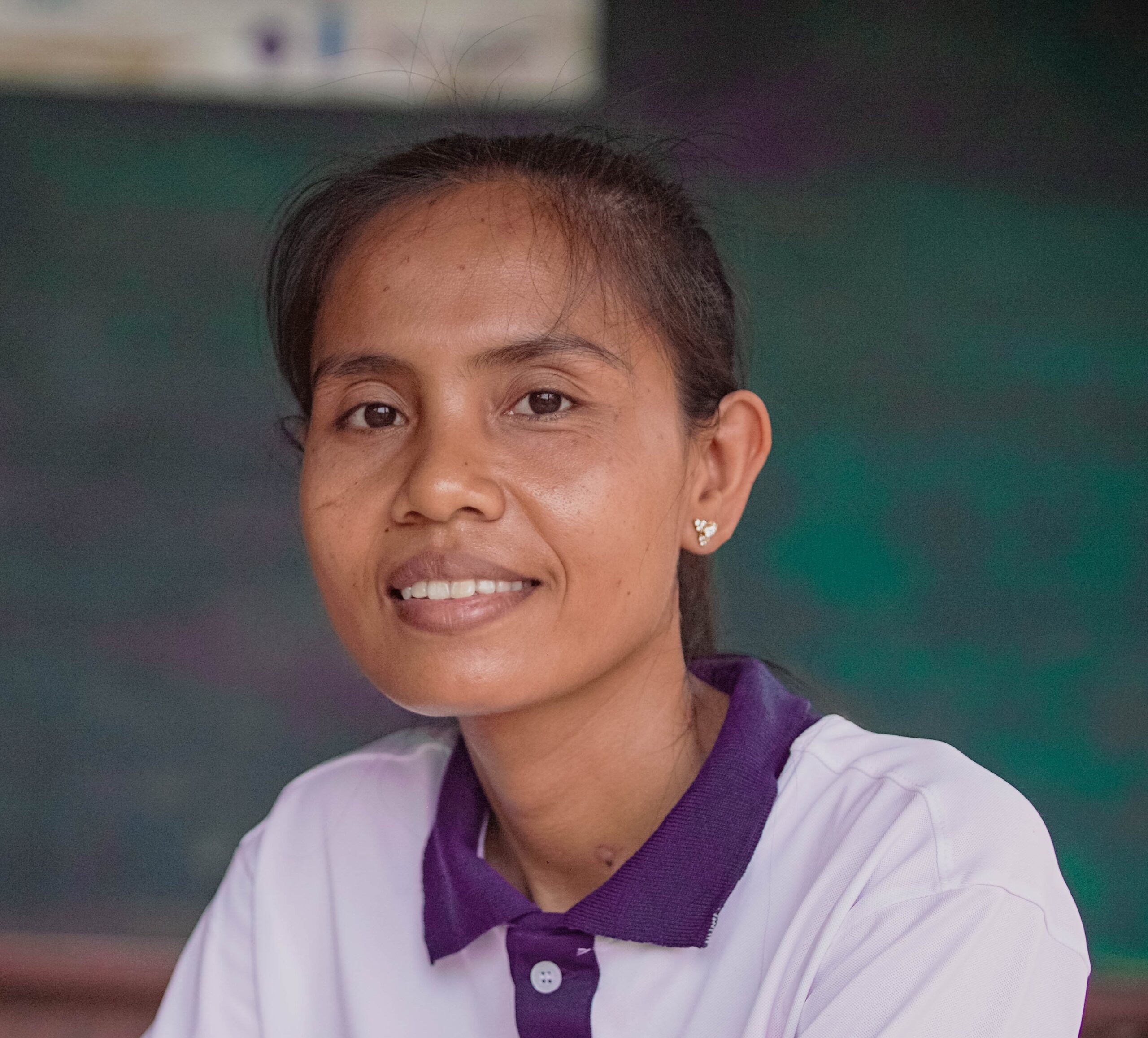
“After we received funding, we became a more active member of other disability groups in the province, and we are able to provide more support to persons with disabilities. The Women and Children with Disability Forum is now more active and collaborative, working more closely with local authorities and government structure, including villages, communes district, and provincial level.”
Vannet, Executive Director, Women and Children with Disabilities Forum
Improving Livelihoods and Economic Independence.
One key focus area of the project activities was supporting women and youth with disabilities to improve their economic independence and livelihoods.
Many women and youth with disabilities in the community face barriers to employment and income generation, resulting in economic dependence on family members and increased vulnerability to discrimination and exclusion.
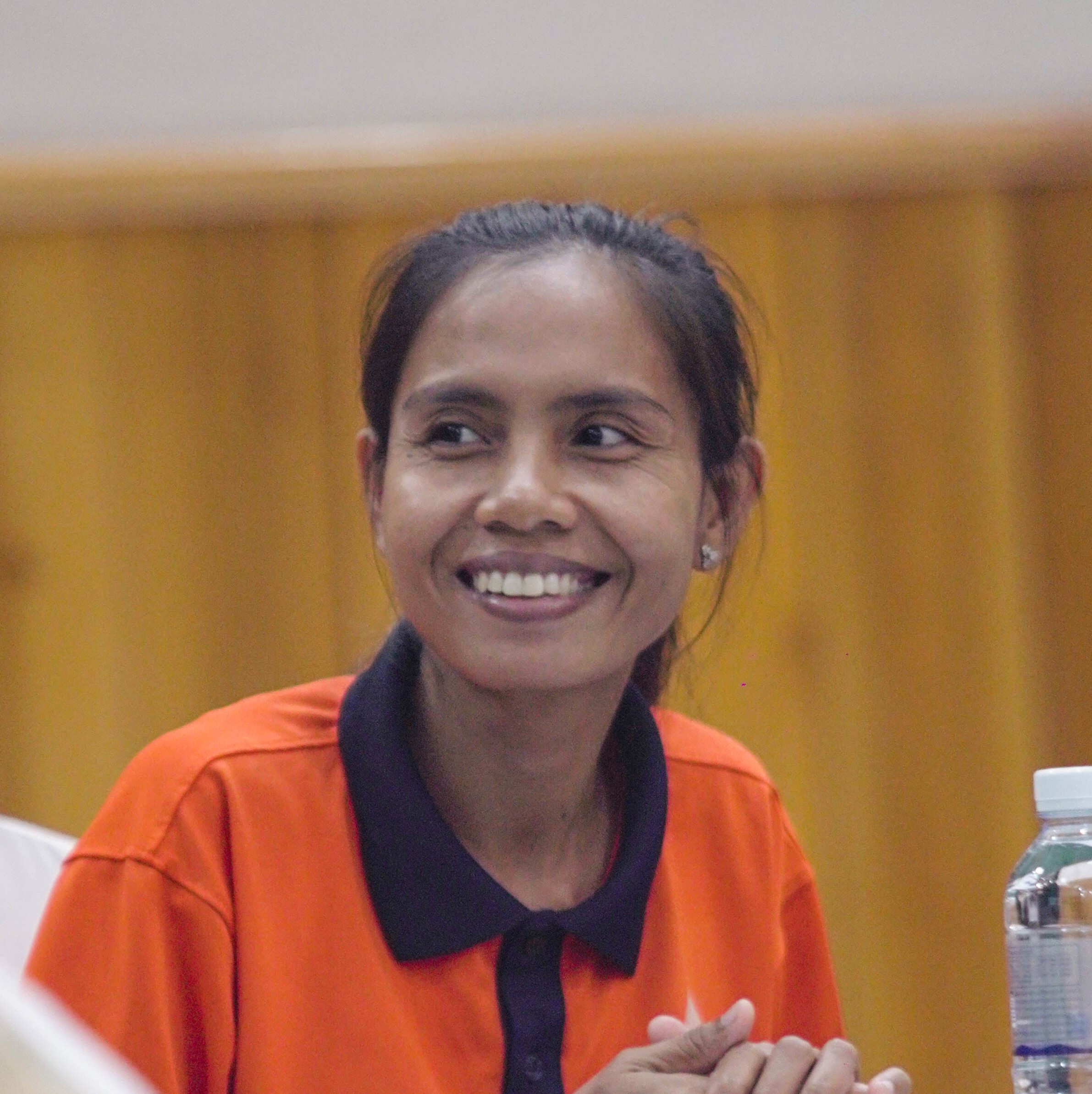
“Through the project, six women with disabilities received livelihood support to establish small businesses and income-generating activities, including grocery shops and animal farming projects.”
Vannet, Executive Director, Women and Children with Disabilities Forum
“Three women with disabilities received support to start small grocery businesses, two women received support to start their own businesses for sewing clothes and curtains, while one woman with a disability received support to do farming by rearing ducks. The Women and Children with Disabilities Forum also plans to provide livelihood support to three additional women by December 2026.”
“Most women with disabilities stay at home and cannot earn money or get involved in income generation. Sometimes they become a nanny to look after relative’s children and must be dependent on other family members. They are discriminated by the community and through the support livelihood project, we provide interventions and support to the women with disabilities with the skills and funding to set-up an income-generating activity.”
One of the women that received support from the Women and Children with Disability Forum, says that;
“Before receiving the project support, I did not have any livelihood activity or income of my own. My family members paid little attention to me and viewed me as a burden. In family decision-making, my parents and siblings rarely asked for my opinion. When I needed money for my personal needs, I faced many difficulties and often felt hesitant to ask my parents or siblings for support.”
“After receiving livelihood support, I was able to start my own income-generating activity. This has helped me become more independent, confident, and courageous in expressing my needs and concerns to my family members. My parents and siblings have now changed their attitude and think more positively about me. They also encourage and support my business and animal-raising activities.”
“I express sincere thanks to ADD International and the Women and Children with Disabilities Forum for supporting me with the livelihood project activities. I am now very happy and never imagined that I would be able to, support, myself, and also contribute to my family.”
“The women with disabilities who received support through the livelihood project activities are now living better lives; they feel encouraged, motivated and their income has increased.”
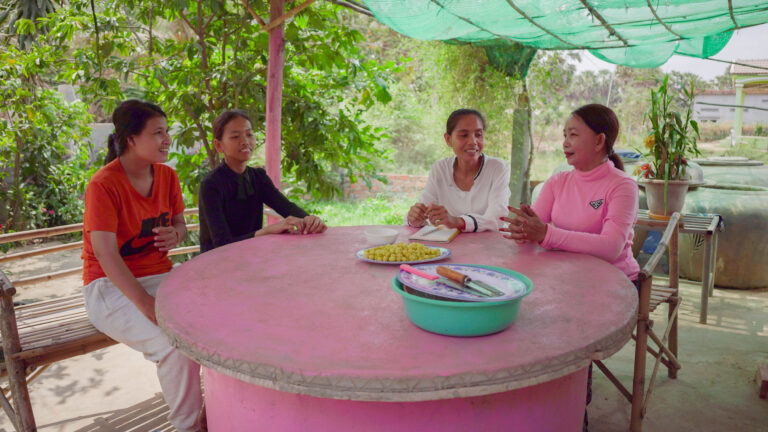
Increased Awareness and Access to Social Protection.
Social protection is government-led support and services that help vulnerable people, including persons with disabilities, reduce poverty, manage risks, and access basic needs. It can include disability ID cards, Equity Cards, health care support, cash assistance, rehabilitation services, and social security schemes. However, many marginalised persons with disabilities are still excluded from accessing this support, often because of limited information, discrimination, inaccessible systems, or lack of support from duty bearers.
“Through our community awareness activities, we have contributed to positive changes of attitudes toward persons with disabilities and improved access to social protection services. The project activities also supported persons with disabilities to advocate for themselves and raise issues affecting their communities.”
“I have seen that through the community awareness activities we do on disability justice, the people in the community have been supporting people with disabilities in various ways, including accessing the social protection services.”
“I also noted that the persons with disabilities are now brave to raise and discuss the issues affecting them. In the communities, most people with severe disabilities are not always supported inclusively to access the social protection services in the communities, and some of the project activities we did in the community demanded that everyone gets access to social services.”
“In the last six months, we supported women with disabilities to access the social protection services as a family package, including receiving the disability card and also access to the equity card to get access to health services free of charge.”
Participatory Grant-making approach.
At times, the Women and Children with Disability Forum, managed to apply for small grants, but these often came with strict conditions.
“When we applied for funds, funders decided what activities could be supported, leaving little room for the organisation to respond to the priorities of people with disabilities in our community.”
The Cambodia Collaborative Fund takes a different approach. Through participatory grant-making, organisations of persons with disabilities decide together how funding is used, what their priorities are, and how they want to create change.
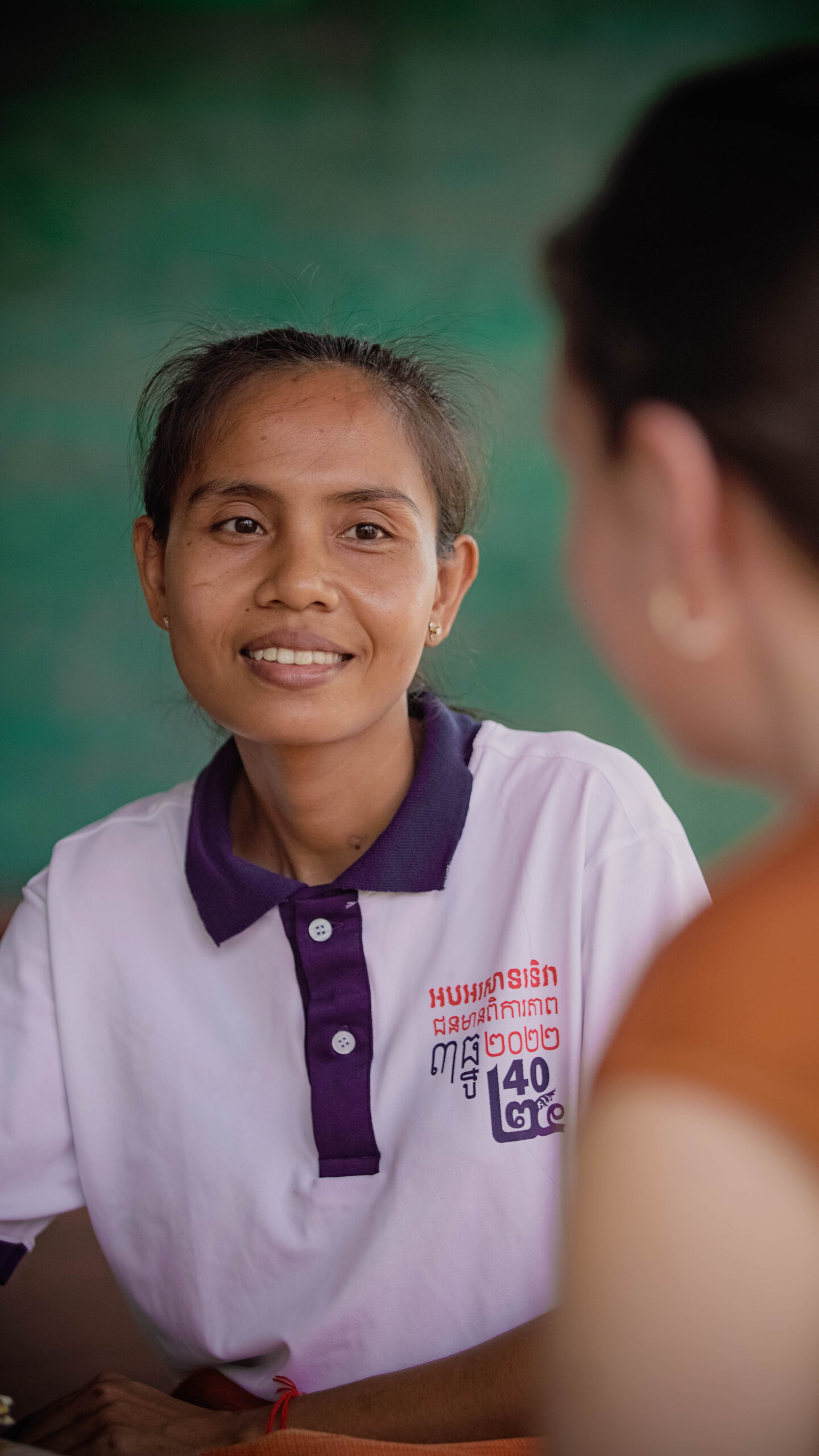
“Through the Participatory Grant Making Collaborative fund in Cambodia, ADD has involved us in all the decision-making process, and we were able to develop proposals ourselves, and we have the full ownership to take lead of the project to support women and children with disabilities.”
Vannet, Executive Director, Women and Children with Disabilities Forum
“We have learned, and we use this approach in the Women and Children with disabilities forum. We do not make decisions for our members on the project activities; the members make decisions on the activities to conduct based on their priorities. As women with disabilities, we know best our problems and needs, and when given the chance, we can make our own decisions based on our challenges.”
find out more
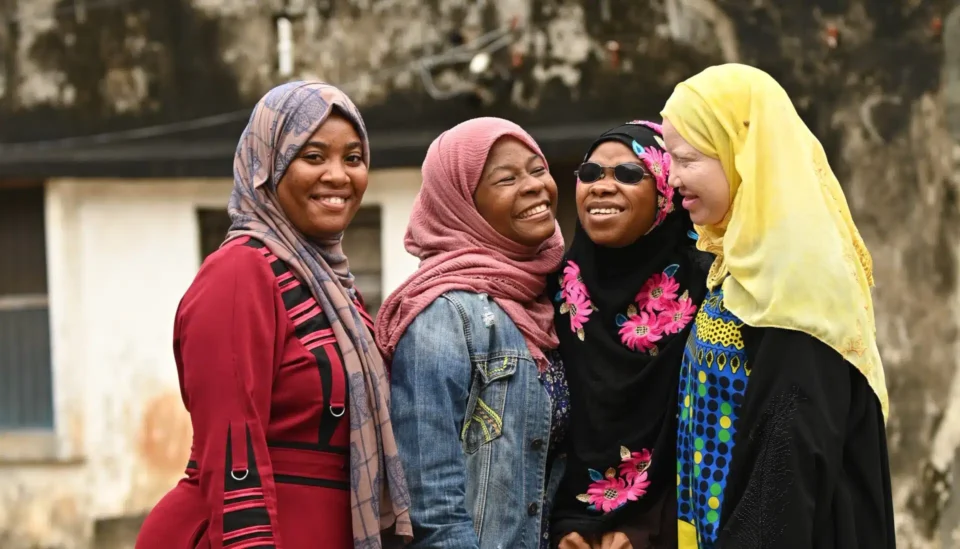
Participatory grant-making.
Participatory grant-making is a different approach to giving out money as grants where the people receiving the money also get to say how much is given to whom, and how it is spent.
Cambodia Collaborative Fund
The Cambodia Collaborative Fund seeks to address the long-standing barriers faced by Organisations of Persons with Disabilities (OPDs) through participatory grant-making .