
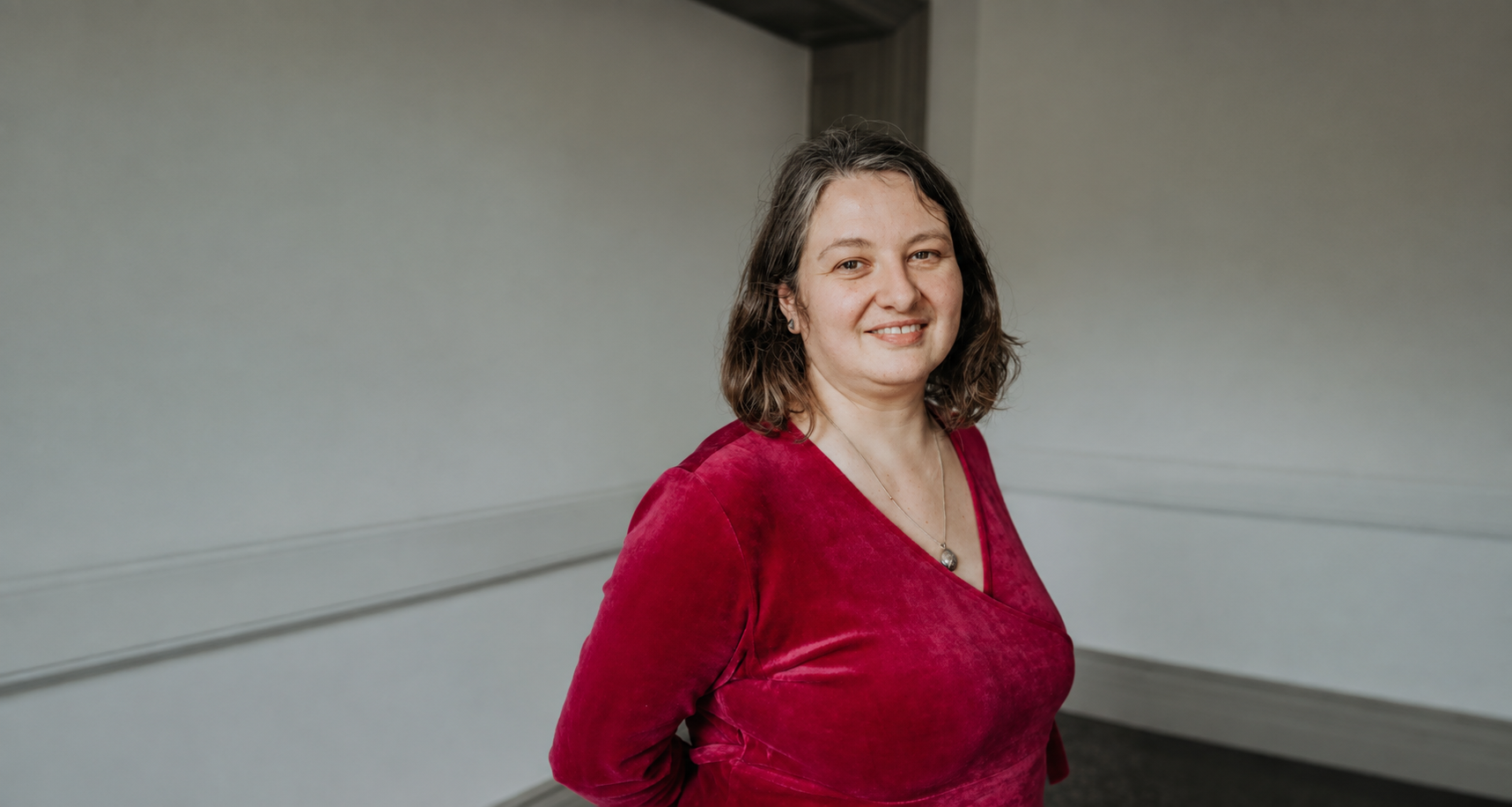
A blog by Mary Ann Clements, Co-Chief Executive Officer at ADD International, exploring whether “Shift the Power” remains a meaningful call to action and what it takes to genuinely rethink how power, resources and decision-making are shared.
Originally published by Alliance Magazine.
Coined by The Global Fund for Community Foundations in 2016 to amplify community philanthropy, ‘Shift the Power’ is now ubiquitous across international development, with governments and NGOs using it to talk about a range of different practices from localisation to rethinking models of operation and partnership. Is this widespread use a sign of progress or is ‘shift the power’ now nothing more than a hollowed-out hashtag?
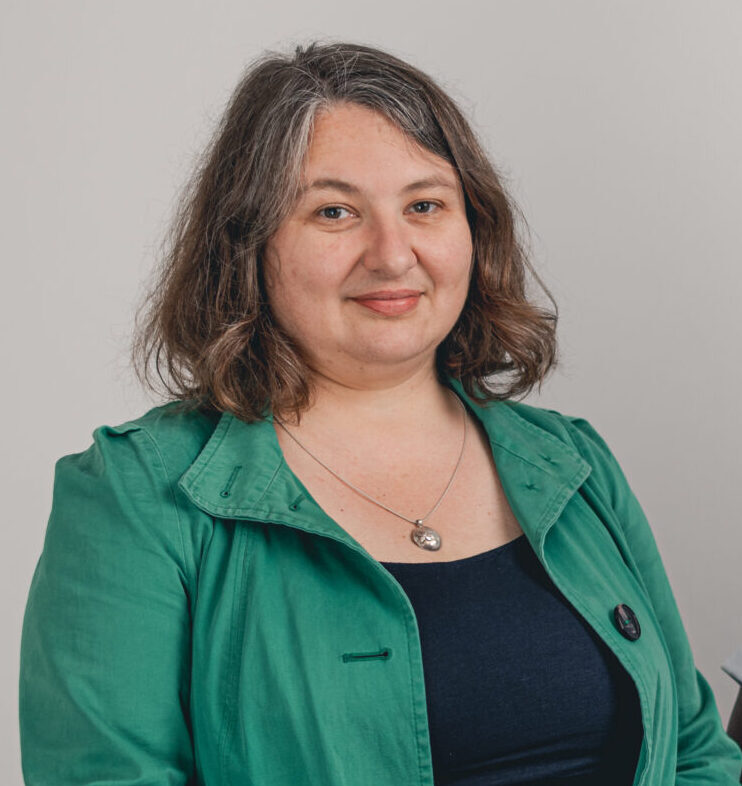
“For ‘shift the power’ to hold any meaning in 2026, it must not remain an abstract concept. We have to move beyond the theoretical and give it clarity in our own work. When we say we are ‘shifting power’ what exactly do we mean? What power, from whom and to whom? It’s only by answering these questions that there’s any chance of doing things differently.”
Mary Ann Clements, Co-Chief Executive Officer, ADD International
For the past five years, I have been leading and then co-leading the transformation of ADD International, where we explicitly used the language of sharing rather than shifting power. This may sound like a minor nuance, but it allowed us to reimagine – to reimagine how we could support decolonised funding practices which prioritised activist, not funder needs, and how we could create an organisation where power was geographically shared and not simply shifted from one location to another.
Before we could think about shifting power, we needed to consciously recognise the power we had and understand what constraints we faced. For example, when I joined ADD International, most of its programme work was funded by restricted grants which prevented us from being the partner we wanted to be. We therefore had to recognise and own our power to fundraise differently and consciously move towards catalysing more flexible funding to support approaches which served the needs of disability activists rather than funders.
We also rethought how we were organised internally, increasing leadership of those based in the regions where we worked and creating what we called ‘One ADD’ to replace a traditional headquarters and country office set up. As far as possible, we have tried to do this whilst embedding an anti-ableist approach to care and wellbeing. We aimed to be a leaner, more global organisation that treats both our grantee partners and our people well.
To do all this, we had to be as clear about what we were going to stop doing as about what we would start. And for us it was also important to do all of this, not as an isolated pilot or trial, but as a wholesale shift in how the organisation worked. This was also helped by the fact that my co-lead, Fredrick Ouko and I had been hired with a specific transformation brief by our board, giving us a mandate to be bold in the decisions we made.
Another important part of this was accepting that we could not change everything at once. It has also been important to remain clear about the positional power we retain and our intent to use it differently. Meanwhile, we remain part of a wider system in which power is inequitably distributed, and so there are some things we cannot change alone. We’ve made progress, especially in developing mechanisms in which grassroots activists now make our funding decisions. Still, challenges remain, and we need to be honest that a ‘perfect power shift’ does not exist.
Our team, particularly those who interact day to day with grantees, have had to learn new ways of doing their work where they let go of being an ‘expert’ and let activists decide, but we still make lots of choices, for example about how we raise money and how we initially set up our funds.
We are increasingly thinking about how to share more and more of this power with activists and their organisations by involving grantee partners in the development of our grantmaking practices as they evolve and through mechanisms like the Fairer Funding Campaign, led by activists, which we host.
Wherever we sit in the system, denying we have power cannot achieve the change we seek, and so for me the slogan ‘shifting power’ needs more clarity. As more governments and agencies start using the slogan, let us ask what it means and be clear about what it doesn’t. Re-imagining requires us to recognise and be intentional about the power we hold and how we use it. Let us use it for justice and equity and to change who has the power to decide. But let’s also be willing to hold the irony and acknowledge that we will need to make decisions to make this possible.
This is why sharing power feels a more accurate precursor to shifting power. Our goal remains clear: a world where ADD International no longer needs to work to increase the flow of funding because disability justice activism is well resourced. But right now, activists were clear we still had a part to play in using our positional power to help achieve this. To deny this and the power associated with it, masks the journey required to share and shift power.
For us, I would say this five-year transformation journey has been more about using our power intentionally and working out what power we can share and shift, how and to whom. As the language of shifting power spreads far and wide, I have sometimes seen it lead to co-option, paralysis and indecision. This can be a form of disavowal of power and could take us in a very unhealthy direction, where old models of power over others remain intact but are increasingly hidden from view.
The world we seek is surely one where power is shared and held more justly and equitably. Getting there will take more intention than a slogan alone can convey.
FIND OUT MORE
Latest from ADD International.
Stay up to date with our work and read stories from Disability Justice Activists leading and shaping funding decisions.
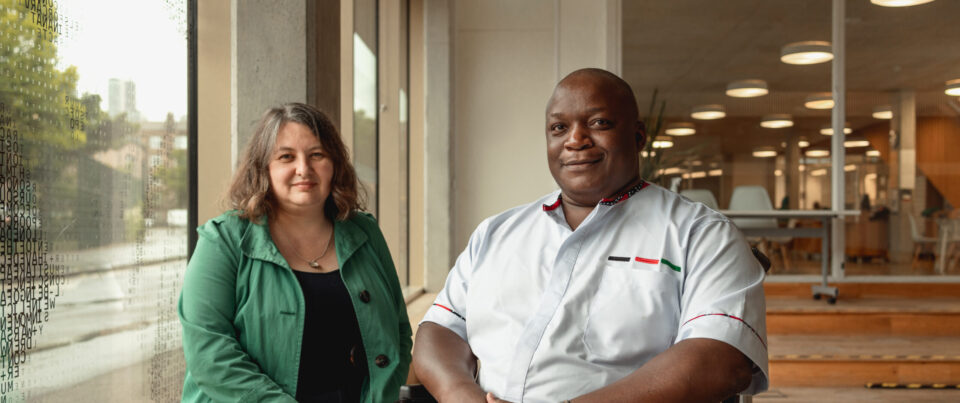
Power does not shift easily.
A blog by Fredrick Ouko and Mary Ann Clements, Co-Chief Executive Transformation Officers, ADD International.