
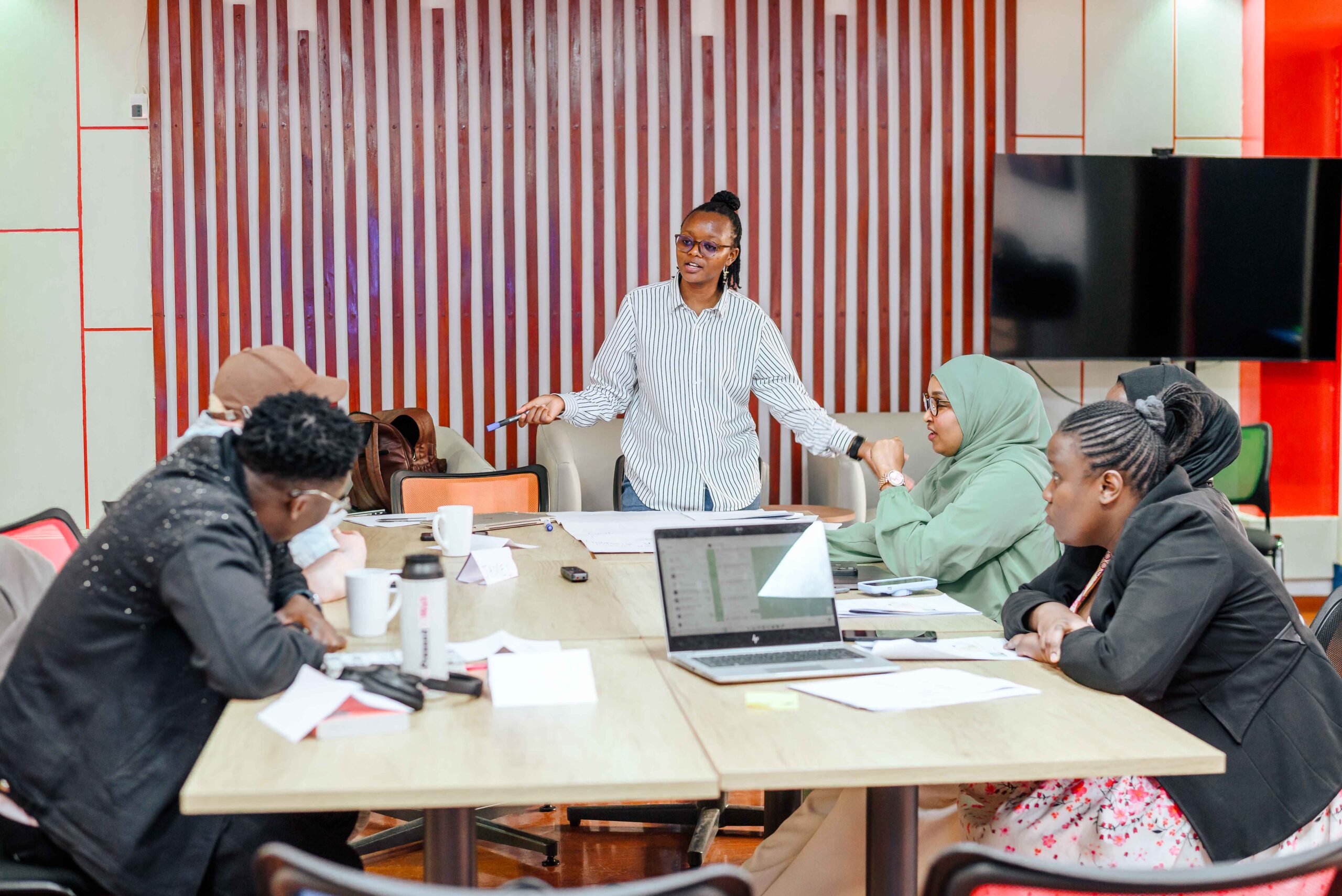
A new research project.
Liz Sayce is a principal investigator on a new piece of research exploring the link between disability justice and broader inequalities campaigns, and a Visiting Professor in Practice at the London School of Economics (LSE). She explains why this research is so important, and how its findings can improve collaboration between movements.
Years ago I learnt that connecting disability justice with wider moves for equality was important. For example, at the British Disability Rights Commission in the early 2000s, when government had targets to reduce child poverty, we identified that over a quarter of children living in poverty had at least one disabled parent. We connected our work on disability to the bigger goal of reducing child poverty. Because of this, the government started to see supporting disabled people as important to their own goals.
Twenty years later, an idea came up from a group of academics and activists, all of us involved in disability justice in different countries. We kept talking about a gap we still perceived between great work on tackling social and economic inequality, and the great work to further disability justice. They didn’t seem to connect as much as they could, whether in activism, in patterns of funding, in academic research. We decided to study how disability and inequality activists worked together and wanted to know how they understood and framed their goals and also looked at what made it hard for them to work together. Finally, we wanted to find ways to help them connect better.
This link is more important than ever. People with disabilities (and I’m also using ‘disabled people’, the language chosen by activists in the UK) are more likely to experience inequalities in income, wealth, representation and recognition than others. So, for disability activists, connecting with movements focused on reducing these inequalities can create opportunities for collaboration and more impact. And for inequality campaigners, given that people with disabilities make up 16% of the world’s population (and a much higher proportion of the world’s poorest citizens) this is too large, relevant and powerful a group to overlook.
This project is funded by the Atlantic Fellowship for Social and Economic Equity and managed by ADD International, so this itself is a collaboration between organisations focused on disability justice and wider inequality issues.
I’ve had the great experience of leading an organisation led by and for disabled people in all their diversity of experience, including intersecting experiences based on differences of impairment, race and gender. But I’ve also had the disappointing experience of seeing how tokenistic some ‘involvement’ of disabled people can be, where woolly words about being ‘inclusive’ mask practices such as engaging people only after decisions have been made or failing to meet basic access needs. In this project we decided to follow the principle of ‘nothing about us without us’, with strategic leadership from the outset from the perspective of people with disabilities.
Building a diverse, disability-led team with a Global South Perspective.
We were conscious that so much work on disability justice starts from Global North experience. We decided to develop the work from a Global South perspective. We selected Ghana and Kenya as study sites and recruited 4 research assistants with lived experience of disability.
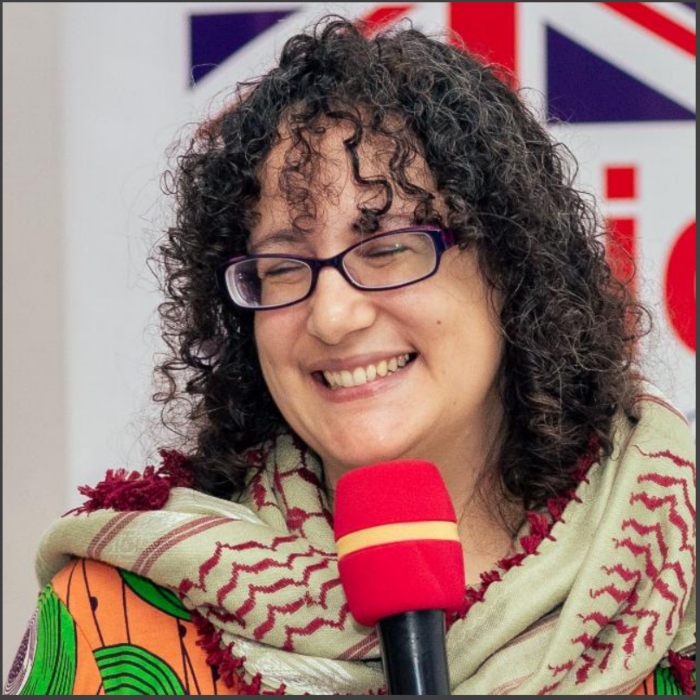
“It is absolutely critical to fully implement the idea of ‘nothing about us, without us’ in all aspects of work with people with disabilities. Not just as research participants, but as leaders on the study making meaning of the findings. Having research colleagues with disabilities from our study countries of Ghana and Kenya was non-negotiable for me.”
Lyla Adwan-Kamara, project manager.
Sharing our experiences to support the shift from being research subjects to leading research.
Research assistants brought a depth of insight into their analysis, based on their different experiences of disability, as well as other experiences of inequality.
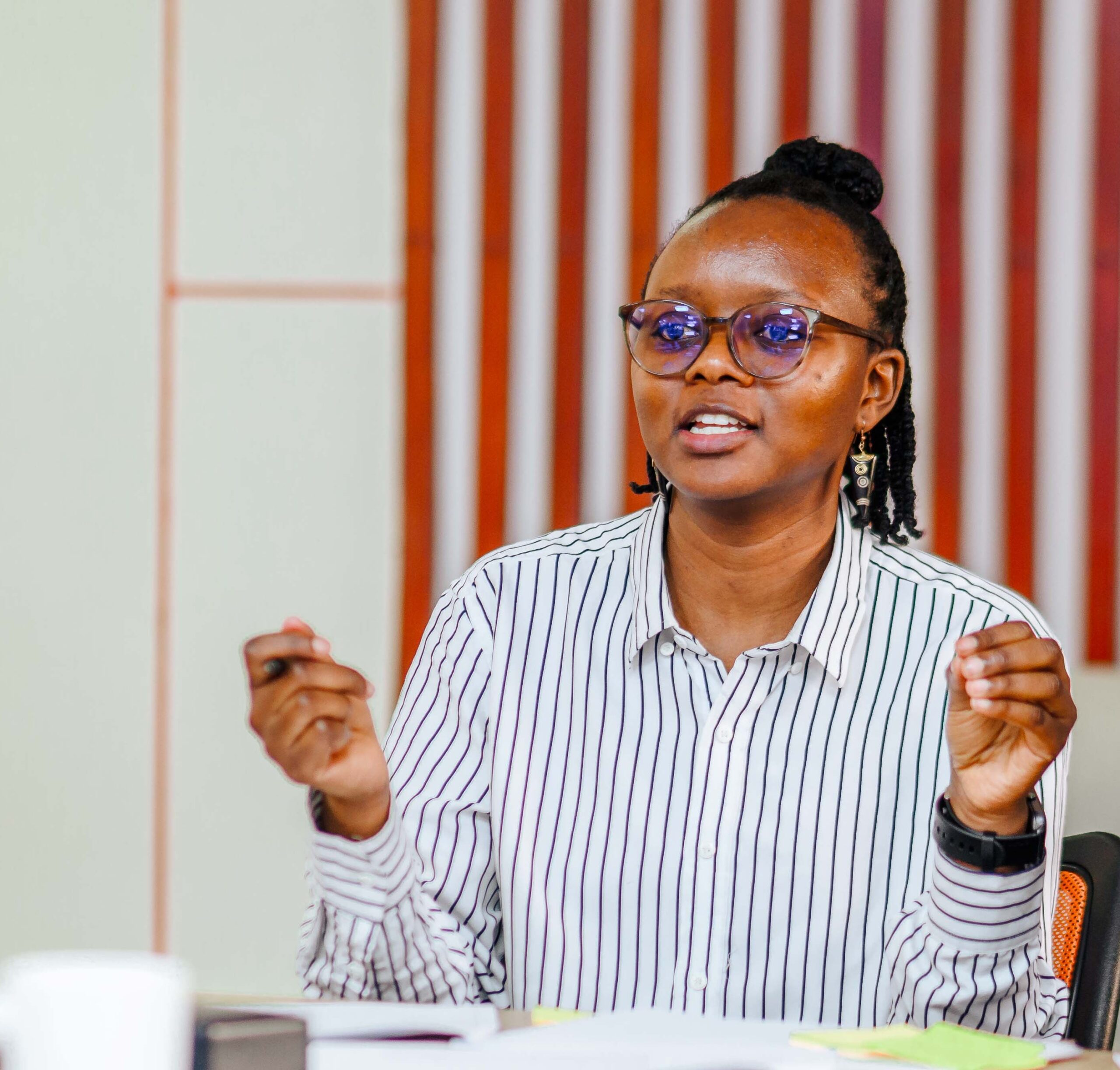
“My own experience with invisible disabilities has taught me how often people fall through the cracks when systems don’t account for our realities. That is why being part of this research means so much to me. I appreciate that it not only centres persons with disabilities in its findings but also includes us within the team itself. I’m grateful to be part of a project that seeks to restore our visibility in conversations about inequality.”
Perpetual Kariuki, Research Assistant
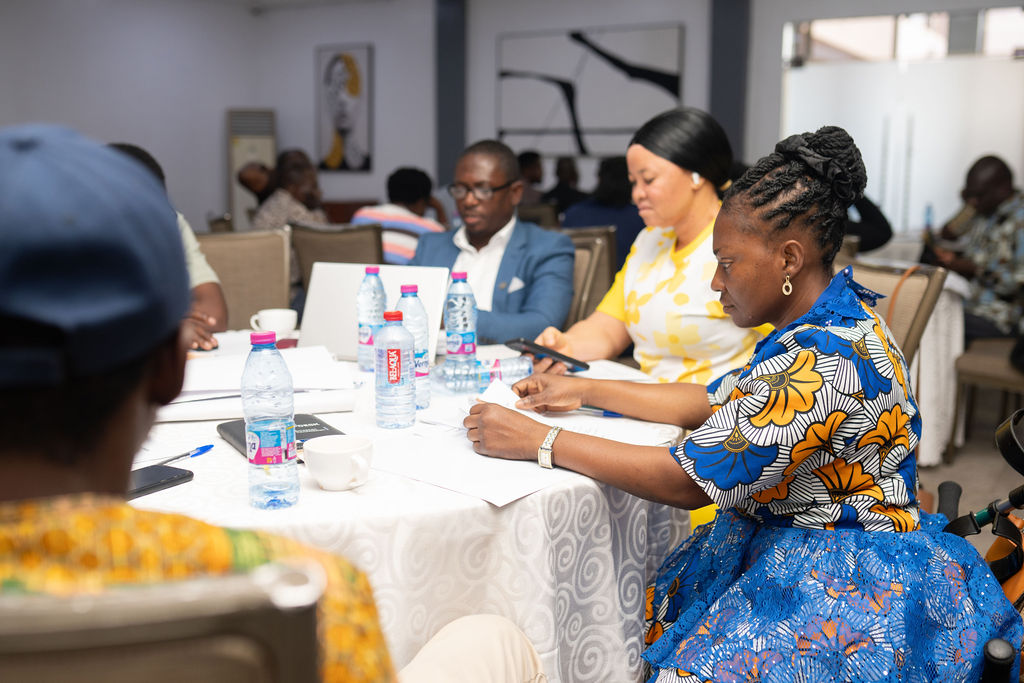
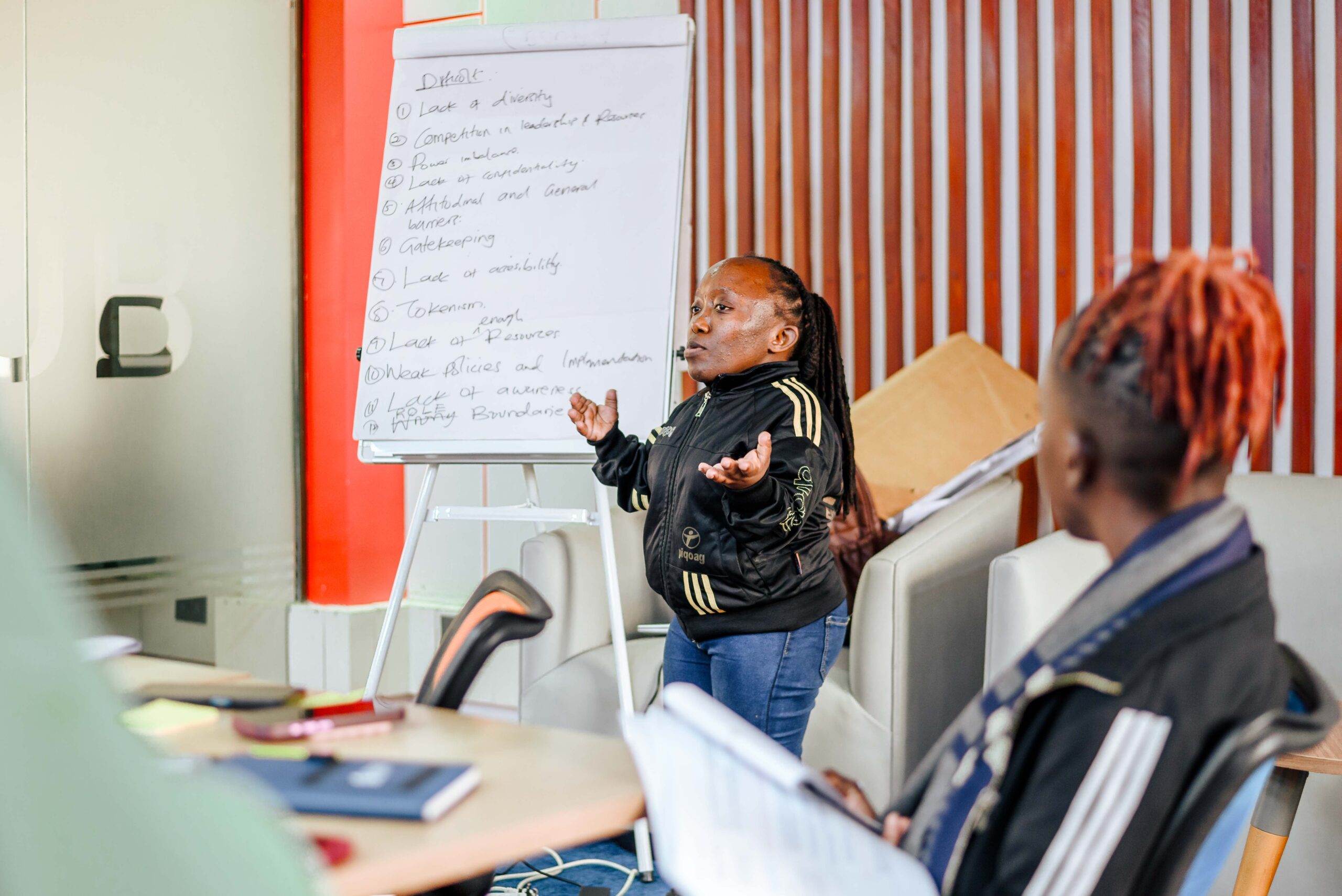
In our research we used qualitative methods to explore (dis)connections between the disability and inequality sectors. We started by exploring the literature on how disability and inequality relate, to place our research and learning in context. Then we designed an interview guide and conducted 30 interviews: 8 interviews with disability activists and 7 with inequality activists in each country. After a preliminary analysis, we held discussions with disability organisations in both countries in engagement meetings. Based on the initial findings, we then invited the research participants to Focus Groups to explore in more depth the themes identified through the interviews.
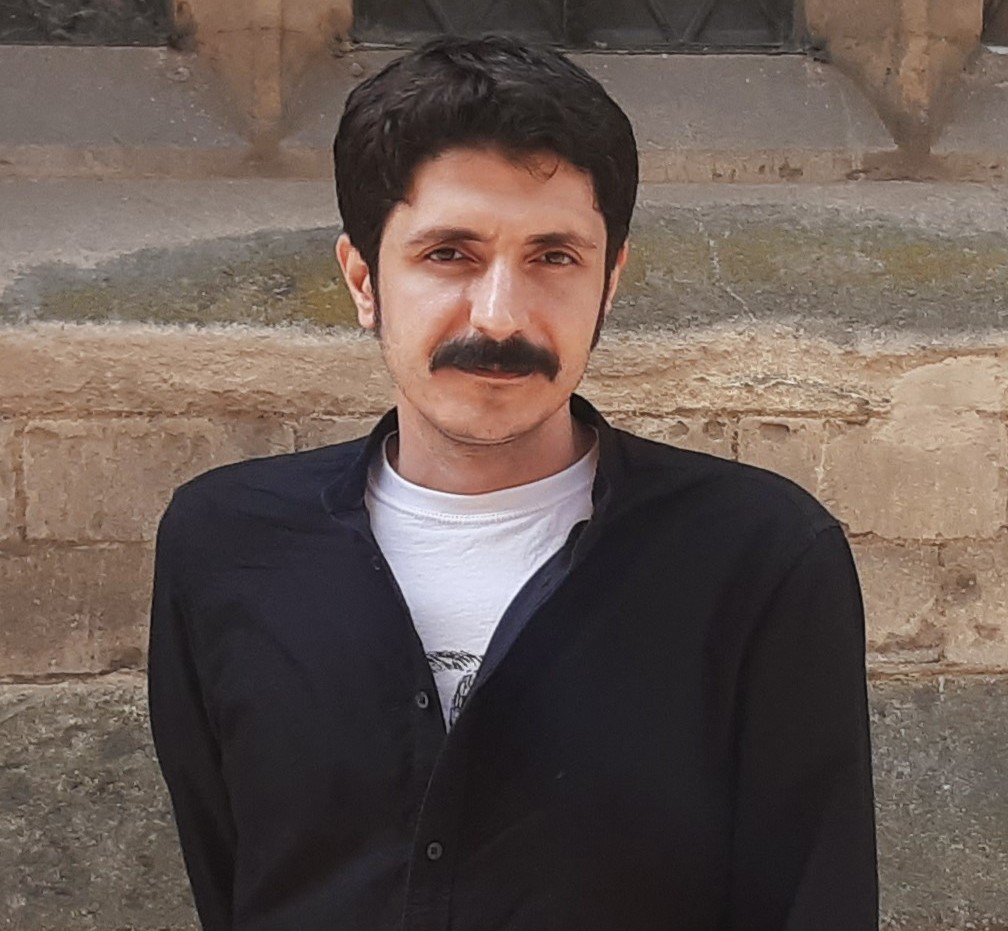
“Both lived experiences of the research team’s members as well as the literature indicated the significance of access issues both in research and practice. Thus, one of the central issues that we were sensitive to in all stages of this methodology was accessibility and meeting the needs of participants. This sensitivity was embodied in our work for instance by employing interviewing and focus group moderating techniques that enhance accessibility for different disability groups and asking research participants about their access needs and their preferred way to address them, and being receptive to feedback”.
Hamid Vasheghanifarahani, Research Officer
We will share the results of our research and host a knowledge exchange webinar on 4th March 2026, Disability and inequalities webinar.
We are also preparing a practical set of tools and resources based on the research evidence to support disability and inequality campaigners to work together to help reduce inequalities experienced by people with disabilities. Stay tuned! Disability Justice and Inequalities Research – ADD International.
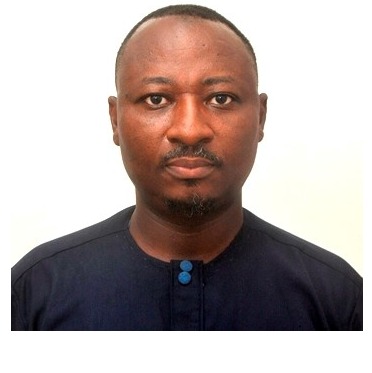
“After more than two decades of lived experience and disability research in Ghana, working with this project was a significant eye-opener. For the first time in a long while, I felt involved in research that was not conducted for us or about us, but truly with us. From its inception to completion, the project adhered to the principles of “nothing about us without us.” The commitment to inclusivity, accessibility, and sensitivity to the needs of persons with disabilities, both among the team and study participants, was outstanding.”
Edward Adiibokah, Research Assistant
In my 30 years of working in disability rights, I’ve seen the beginnings of a change in research, from people with disabilities being subjects to be studied to being leaders and partners in research. The focus has changed from academics and experts deciding research questions and conclusions to disabled people leading or shaping the research process. However as Edward points out, “research conducted ‘truly with us’ is still not common practice.”
In this project our team has learnt a lot about redressing inequalities both in our approach and in our findings. We hope to add knowledge and understanding to others seeking to further the goals of greater equity and disability justice.
Meet the research team.
We put together a team with broad experience who together developed the research questions and methods. We also worked together on analysing the results and drawing conclusions. The team is made up of research assistants from Kenya and Ghana, as well as other team members based in UK, Ghana and Kenya.
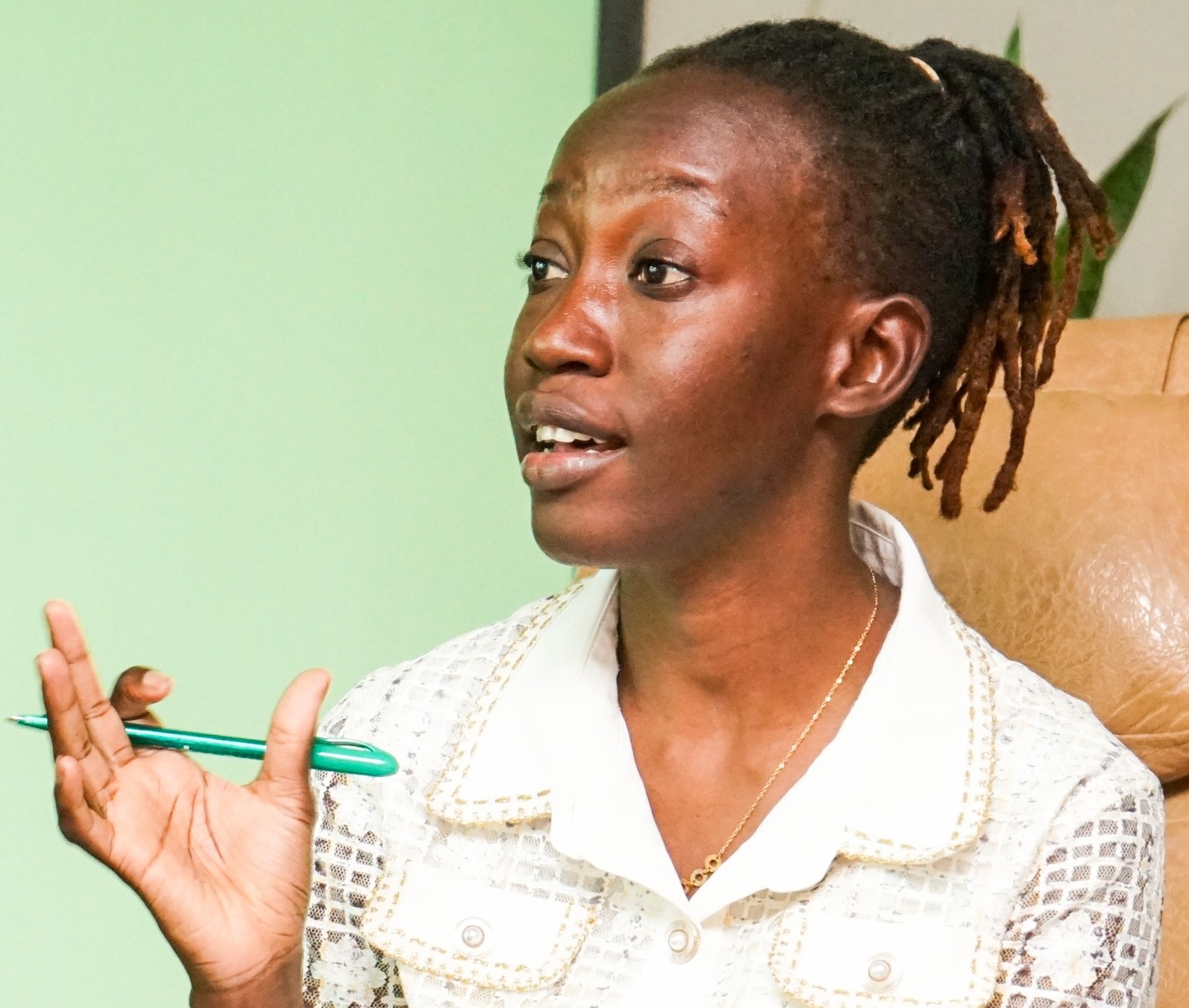
Betty Mulavi, research assistant, Kenya, is a disability inclusion expert specialising in disability programming and research.
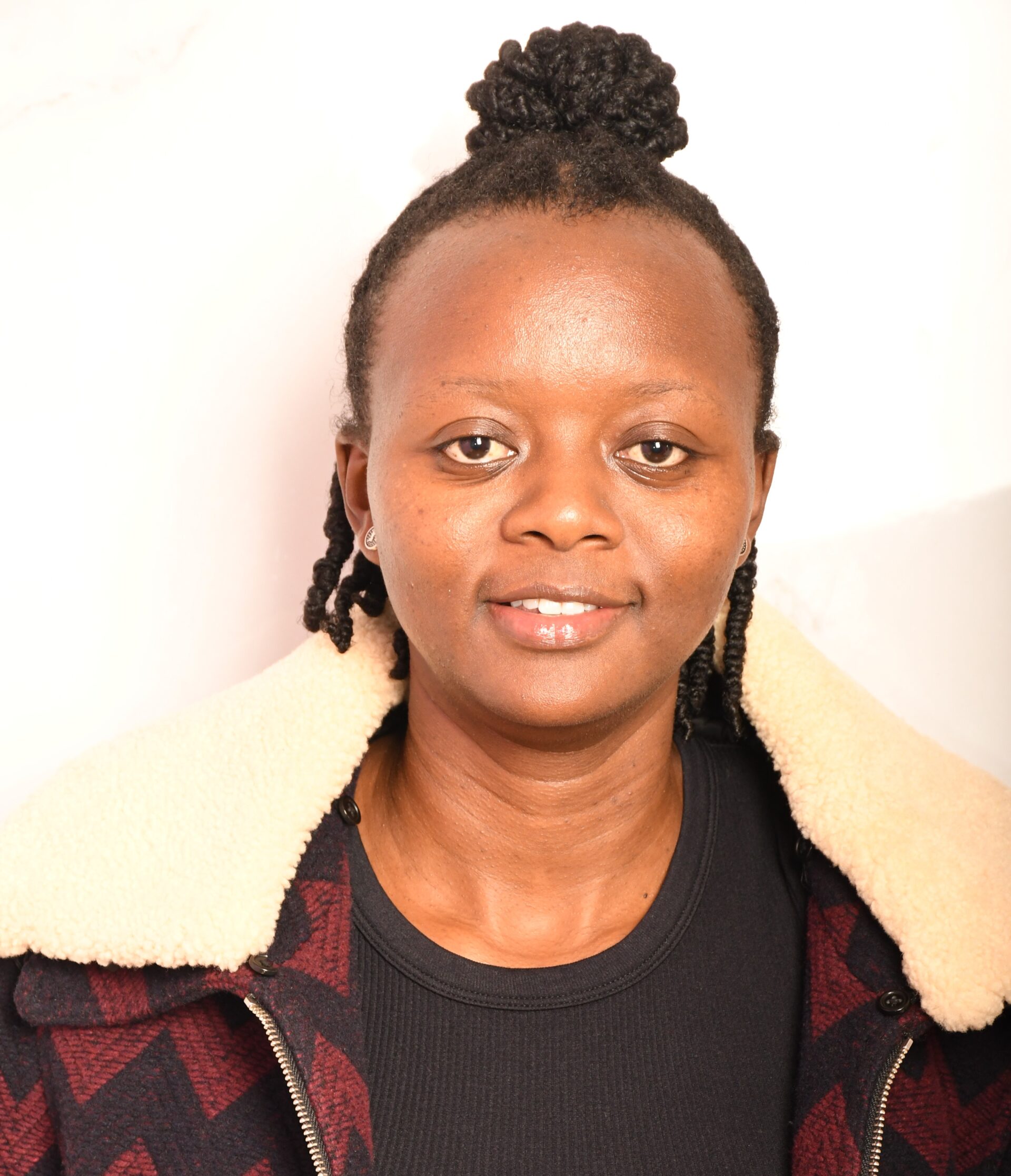
Perpetual Kariuki, research assistant, Kenya, is a researcher and mental health advocate committed to exploring intersections of disability justice, mental health, and broader social challenges.
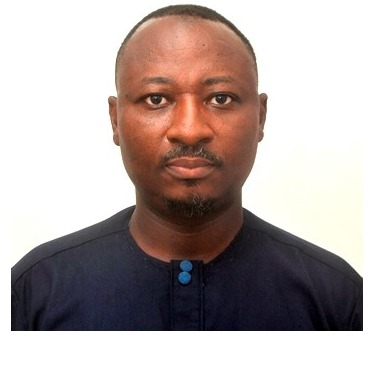
Edward Adiibokah, research assistant, Ghana, is a social research scientist and demographer experienced in health and development research.
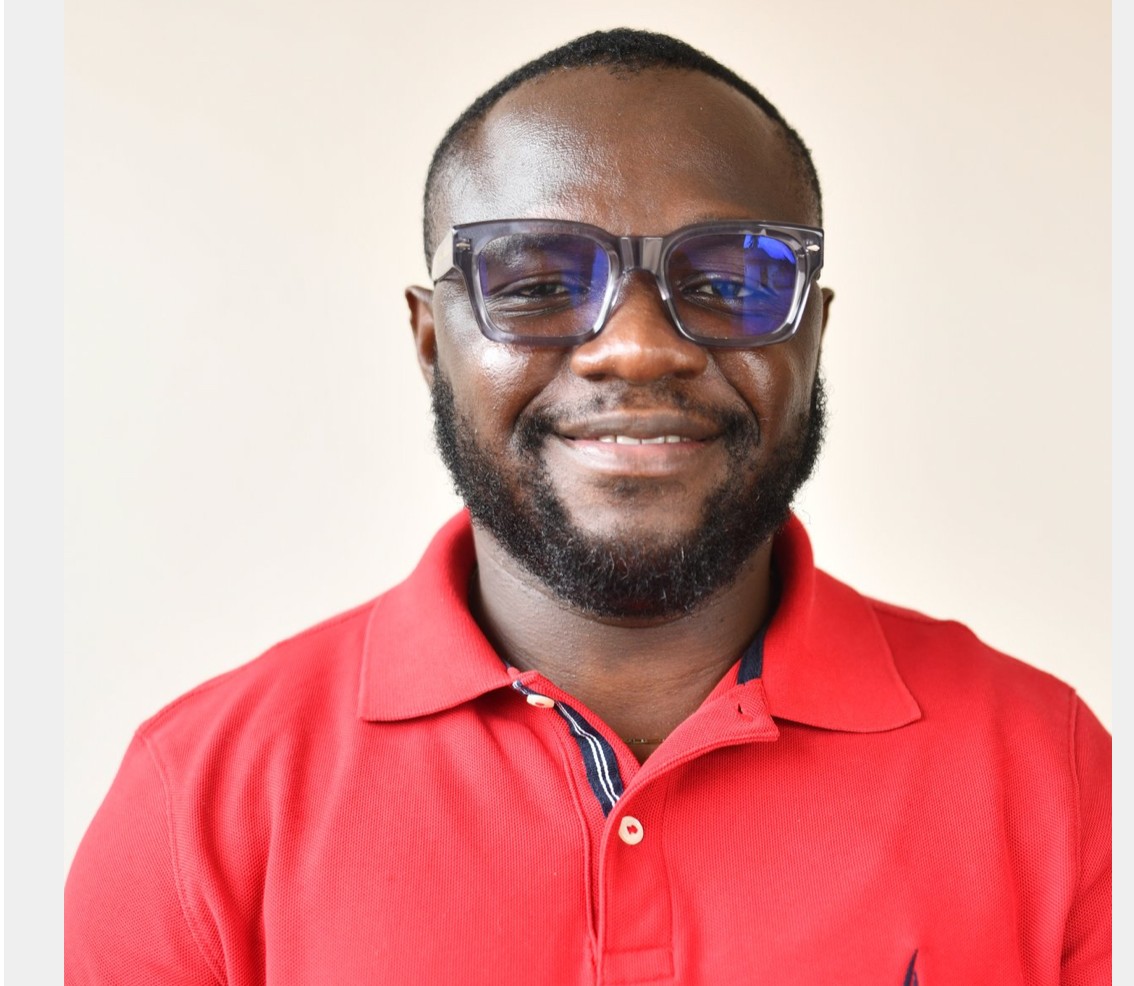
Lionel Sakyi, research assistant, Ghana, is a mental health research professional specialising in mental health research, project management, and stakeholder engagement.
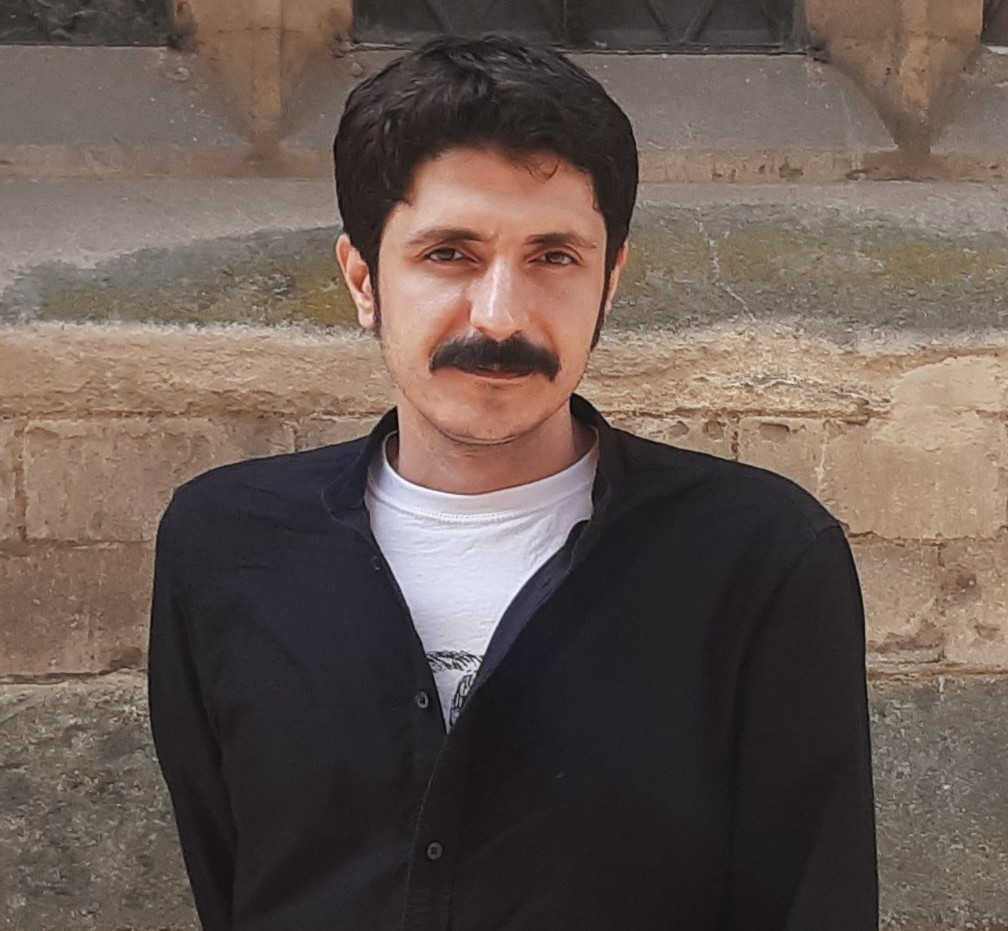
Hamidreza Vasheghanifarahani, research officer, UK, is an Atlantic Fellow for Social and Economic Equity, researcher and activist, with a body of work focusing on Iran including on children’s rights, autism and neurodiversity, civil society, and asylum seekers’ rights.
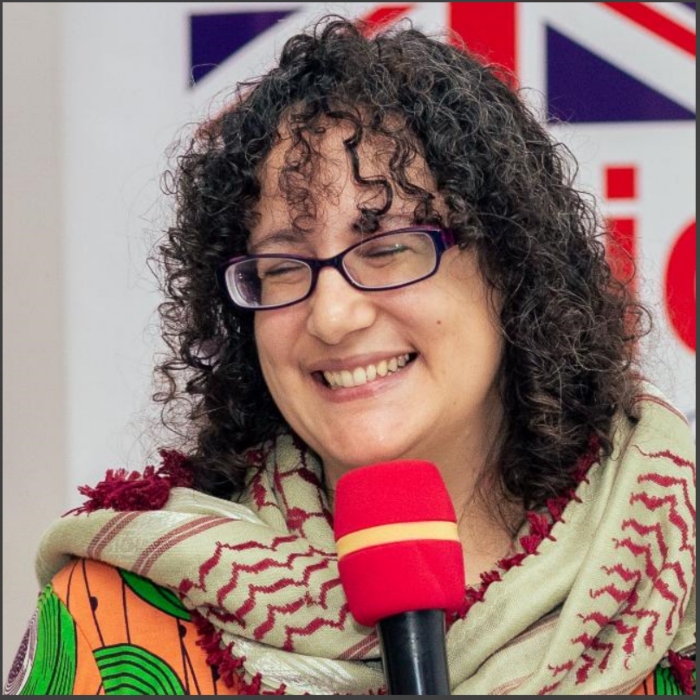
Lyla Adwan-Kamara, project manager, Ghana, whose multidisciplinary career has focused on empowerment, participation, and developing creative techniques for people to express themselves and find their voice.
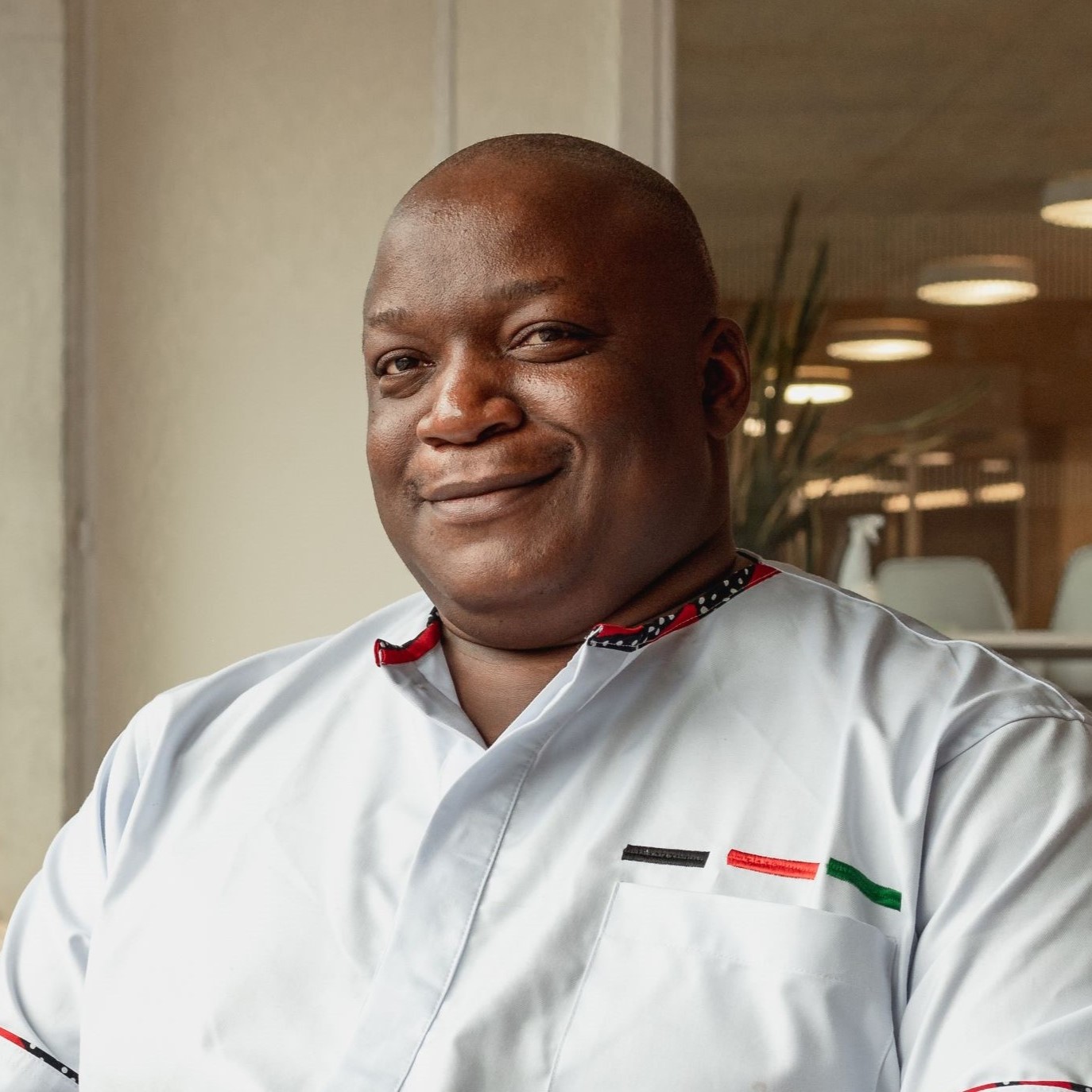
Fredrick Ouko, principal investigator, Kenya, is the Co-Chief Executive Officer at ADD International, a participatory grant-maker and leadership development initiative for disability justice activists.
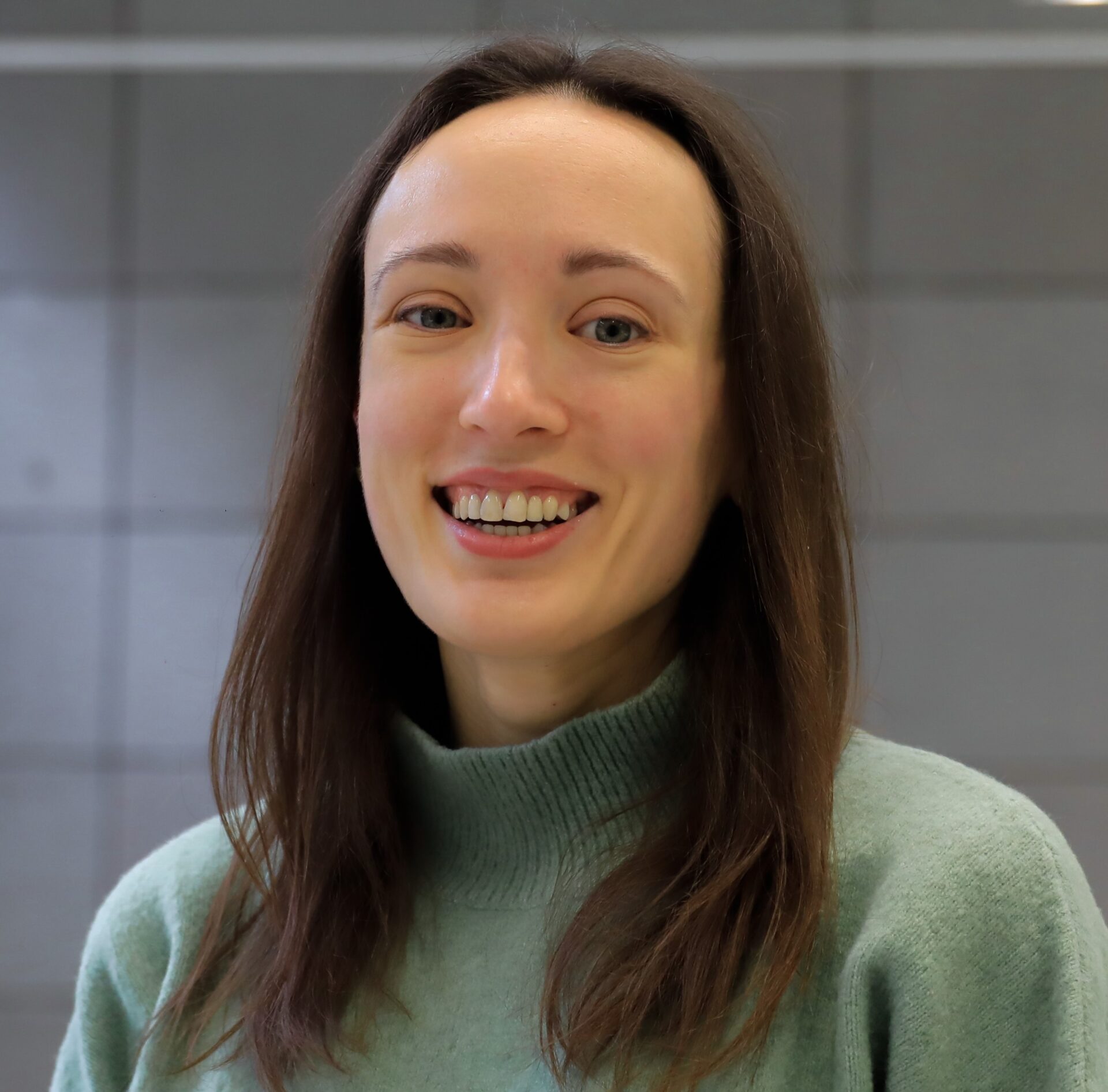
Philippa Mullins, principal investigator, is research associate at the Centre for Sociological Research (CeSO) of KU Leuven and Visiting Fellow at the LSE.
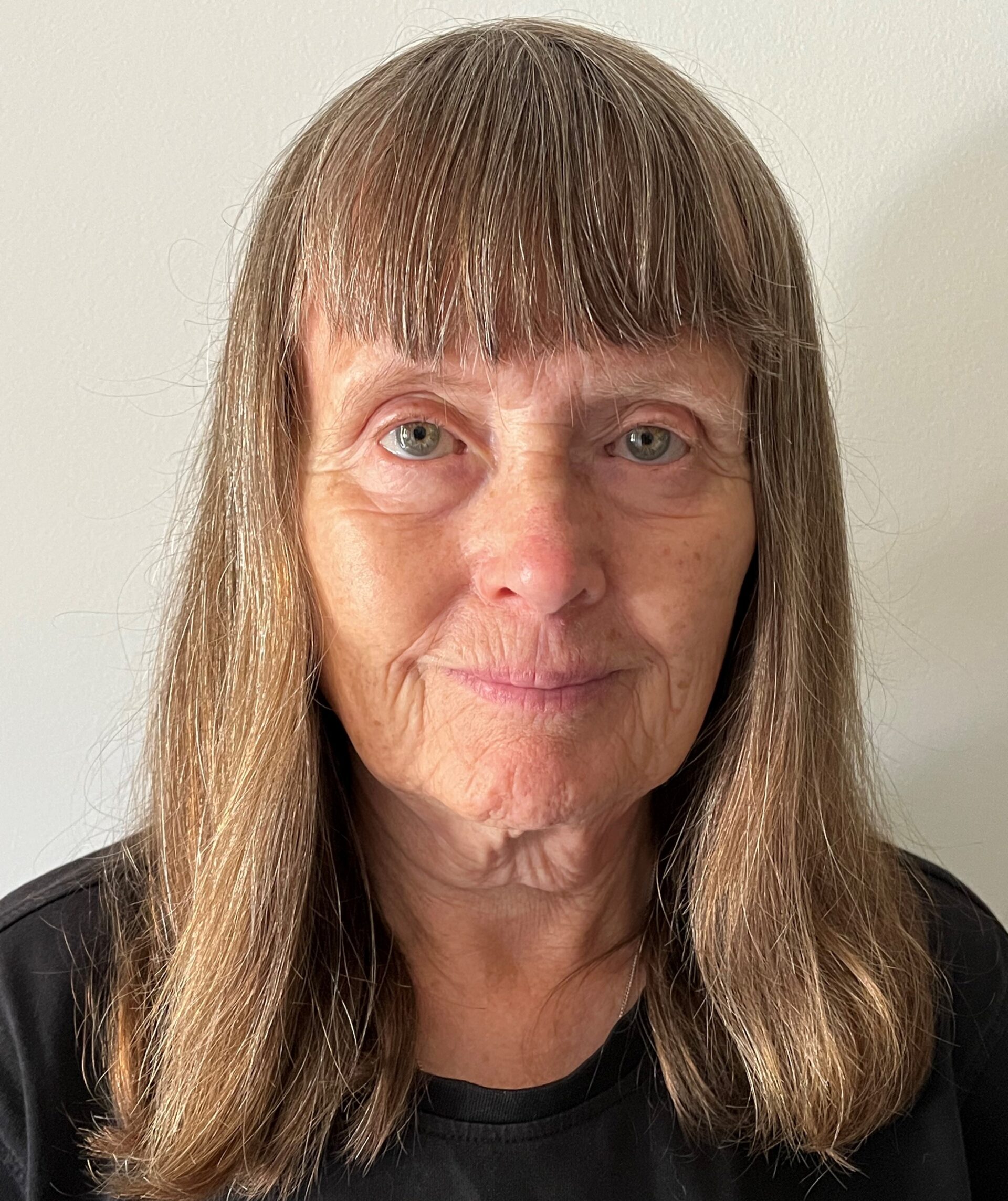
Liz Sayce, principal investigator, UK, previously CEO of Disability Rights UK and a Visiting Professor in Practice at the LSE.
This publication was made possible thanks to funding from the Atlantic Fellows for Social and Economic Equity (AFSEE) programme, based at the International Inequalities Institute at the London School of Economics and Political Science.
Research project led by ADD International
Funded by Atlantic Fellows for Social and Economic Equity (AFSEE)

FIND OUT MORE
DISABILITY JUSTICE AND INEQUALITIES RESEARCH.
Our work begins as a conversation. Disability activists tell us the change they want to make and what they need to make it happen.
disability justice and inequalities research webinar.
Join this conversation bringing together disability justice activists and inequality campaigners.