

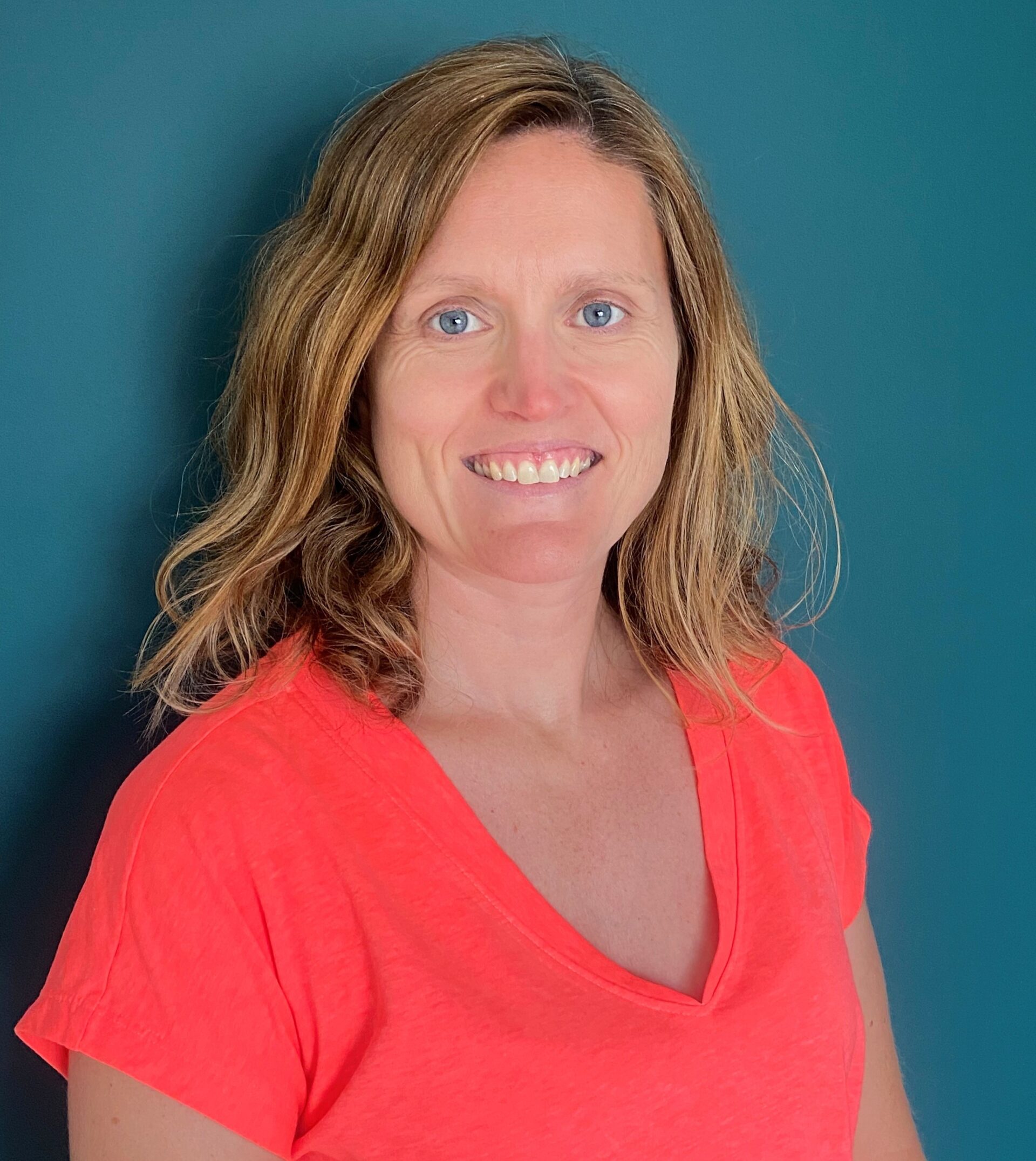
A blog by Jess Gleeson the Head of People and Culture at ADD International. She explains how the organisation has been rethinking the way it works as part of its commitment to wellbeing, flexibility, and disability justice — and what it learned from a year of trialling a new approach to work.
Working differently: what we learned from prioritising wellbeing and flexibility in the workplace.
At ADD International, we are committed to disability justice, participation, and equity — not only in the work we do externally, but in how we operate as an organisation. As Head of People and Culture, I’ve seen first-hand how working environments shape wellbeing, inclusion, and performance. I’ve worked at ADD for almost 12 years now and I have seen a lot of change in that time. Over the last few years, we have transitioned to become a participatory grantmaker, where the disability justice activists we support decide how the funds given to them are used and distributed and in 2024 we launched a new strategy – Mtiririko.
This blog is not presented as a finished model or a perfect solution. Rather, it reflects our learning as an organisation trying to live its values more fully, and to challenge the idea that long hours and constant availability are the best measures of impact.
We are sharing this in the hope that it contributes to wider conversations across the sector about what more inclusive, sustainable, and humane ways of working can look like in practice.
As part of ADD’s International’s strategy, we wanted to model the change we want to see in the world within our own organisation. We wanted to increasingly live our new values and philosophy in everything we do. In a world where staff are increasingly being asked to return to the office and the people in power who make such decisions often do not reflect the majority of workers, we wanted to do things differently, supporting our commitments to disability justice, enabling staff to work effectively and take adequate rest.
Whilst I feel lucky to work for an organisation that has historically supported flexible working for all staff (I’ve always worked part-time for ADD and have flexibility to work around my personal life and children), we felt there was more we could do.
Initially we made small changes to improve wellbeing – for example by providing training (on topics such as ‘burnout’ or ‘wellbeing conversations’) and introduced a £250 wellbeing allowance for all staff to spend on anything that will improve their wellbeing. Then we started to think more boldly, at bigger changes we could make, and last year trialled a ‘year of working well’.
“The year of working well has made a huge difference to me. I feel valued and feel I am more productive and less stressed during my working week knowing my wellbeing is cared for.”
ADD staff member.
Our year of working well trialled four interventions:
- Four-day week (Monday to Thursday) – reduced and globally standardised hours for 100% pay. Flexible and hybrid working encouraged.
- One ADD rest week – a week where the whole organisation shuts down and everyone takes holiday
- Wellbeing leave entitlement & minimum leave standards globally
- Improvements to the performance review process
An increasing number of organisations have trialled a four-day week globally over recent years (for example the 4-Day Week Foundation reported 100% success in their latest pilot) but it’s still far from the norm. The Foundation has carried out research alongside the pilots they have run and concluded that the four-day week results in reductions in stress, burnout, staff churn and absence, whilst not reducing, and in some cases increasing output/revenue. As you may have read in the press a large-scale trial in Iceland also demonstrated similar results.
Whilst significant numbers of our UK staff have historically worked part-time this was less the norm for staff outside the UK so was a big change for the majority of staff and whilst met with quite a lot of excitement there was also some scepticism – can we really maintain productivity/output whilst reducing our working days from five to four?
“The four-day week has been a positive change overall, supporting better work-life balance, wellbeing, and productivity. It encourages more focused work and intentional planning, both individually and as a team. Overall, it reflects ADD’s commitment to staff wellbeing and has had a positive impact on morale and efficiency.”
ADD staff member.
Along with the four-day week we also introduced a rest week which was a week that the whole organisation closed and all staff were expected to take leave. The idea of this was that staff would return to work rested but not to full inboxes which is often the norm after taking holidays.
We also introduced two days wellbeing leave per year which could be used either proactively to do something to improve your wellbeing or reactively to rest and recharge.
Alongside the wellbeing leave we also established minimum leave standards globally and standardised leave as far as global legislation permitted. This meant introducing a global holiday entitlement of 32 days per year (including public holidays) based on a four-day week.
Finally, we made improvements to the performance review process to ensure it was fit for purpose to measure performance during these changes.
We identified a number of criteria for success across the year (for example pulse surveys, monitoring leave uptake etc). We also supported staff to think about how they could work ‘better’ rather than more hours, for example by deprioritising work that had less impact, reducing unnecessary meetings, and making improvements to systems or processes (e.g. imposing an internal email ban between Friday to Sunday, making Outlook calendars public, making better use of Teams channels).
As an organisation that works with disabled people globally and aims to have 50% of our staff made up of disabled people we also wanted to ensure we were best supporting our own staff who are disabled or have long-term health conditions. To do this we strengthened our ‘workplace accommodations’ policy.
Whilst perhaps more commonly known as ‘reasonable accommodations’ or ‘reasonable adjustments’ we prefer the term ‘workplace accommodations’ so as to remove the term ‘reasonable’ which immediately brings to mind reasonable versus unreasonable requests and who it should be that makes this decision. Whilst we have certain duties by law to provide accommodations for disabled staff, our policy goes further and offers to discuss workplace accommodations with all staff as we recognise there may be other reasons people would like to request accommodations (such as caring responsibilities).
Results across the various measures we used to review the year of working well were overwhelmingly positive and in favour of the changes. 100% of staff felt the year of working well had been positive for them and 97% felt it had improved their wellbeing.
Overall, the trial was a success. Whilst the rest week did receive some less positive feedback, mainly from parents for whom this standardised leave week did not necessarily line up with school holidays for their children, and so made school holiday care more difficult – a hard balance to strike when you have staff in seven different countries, with seven different sets of public and school holidays to consider.
We did not see an increase in performance or capability issues and saw an increase in some HR measures such as the completion rates for annual reviews as well as a reduction in short-term sickness absence and an increase in holiday taken.
“The Year of Working Well has been a valuable initiative that’s had a positive impact on wellbeing, productivity, and team morale. Personally, it has encouraged a healthier work–life balance and greater focus during working hours. The flexibility and emphasis on wellbeing have also fostered a more supportive and empathetic work culture.”
ADD staff member.
Some areas are still a work in progress, and we are continuing to support staff to make these changes but have now adopted the majority of changes on a permanent basis. The exception to this is the rest week where we are instead trialling quarterly ‘learning’ weeks in 2026. The idea of this is that staff can use the time for learning or focused work and there will also be no internal meetings or communications so that if staff wish to take the week as holiday they do not return to full inboxes.
Whilst it felt like a bold step and there was a significant amount of work involved in making it a success, the outcome of the trial and the change to a four-day week, alongside the other wellbeing benefits we’ve introduced, have more than paid off.
We are sharing this learning because we believe the development sector needs more honest, practical examples of what it looks like to work differently — not as theory, but in practice.
What we have learned is that working well is not about doing less for its own sake. It is about creating conditions where people can focus, rest, and contribute meaningfully without burnout.
This is still a journey for us. But it is one we are committed to continuing.
FIND OUT MORE

OUR PEOPLE
Meet the leadership team and trustees of ADD International.

ABOUT US
Find out more about ADD International and our work in supporting disability justice activists.