
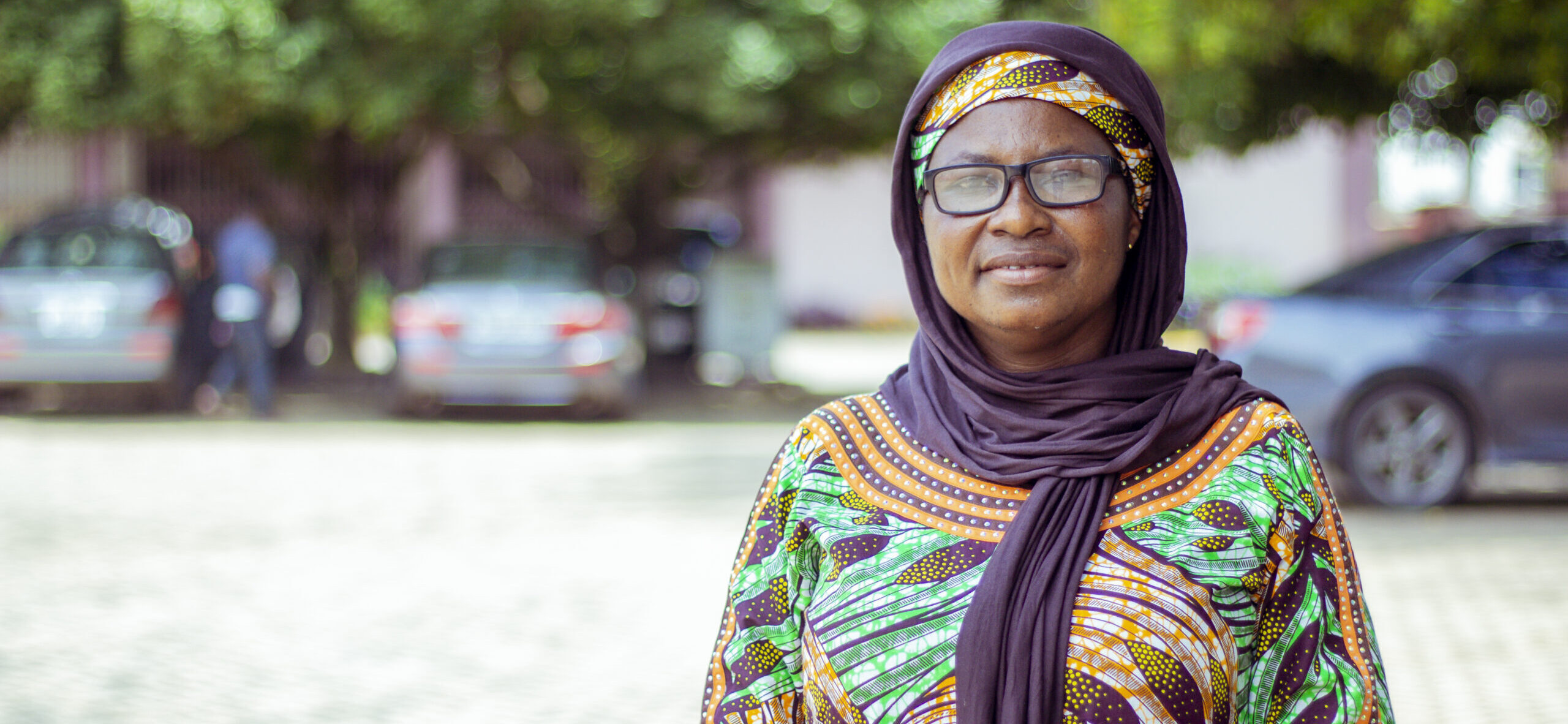
Salamatu is a disability justice activist from Ghana, and the leader of the Women’s Wing of Ghana National Association for the Deaf (GNAD). She is very passionate about advocating for the rights of deaf people and loves seeing them taking up the spaces and opportunities they rightfully deserve.
About the Women’s Wing.
The Women’s Wing supports deaf women across all districts in Ghana by providing skills training, capacity building, and advocacy programs to help them gain practical skills and speak up for their rights. They also run income-generating programmes, including training in tailoring, hairdressing, soap making, and bead making. They are a part of GNAD, the umbrella organisation of Associations of Deaf People in Ghana.
Funding Support.
The Women’s Wing is also one of the groups of persons with disabilities under the Disability Justice Fund for Women that have received funding. This is a participatory fund designed by women with disabilities in Ghana, Uganda and Tanzania, to make sure it meets the real needs of disability justice activists in these countries.
“When we received the grant, we were very happy. We knew that we will be able to do a lot of things for deaf women and reach more communities that we were not able to before because of limited funds. It will also enable us to do more advocacy work, and support the women to become more independent.”
“It has been a long time since the Women’s Wing received any funding. This support is especially important because it is flexible, and it allows us to choose the activities that best meet the needs of deaf women.”
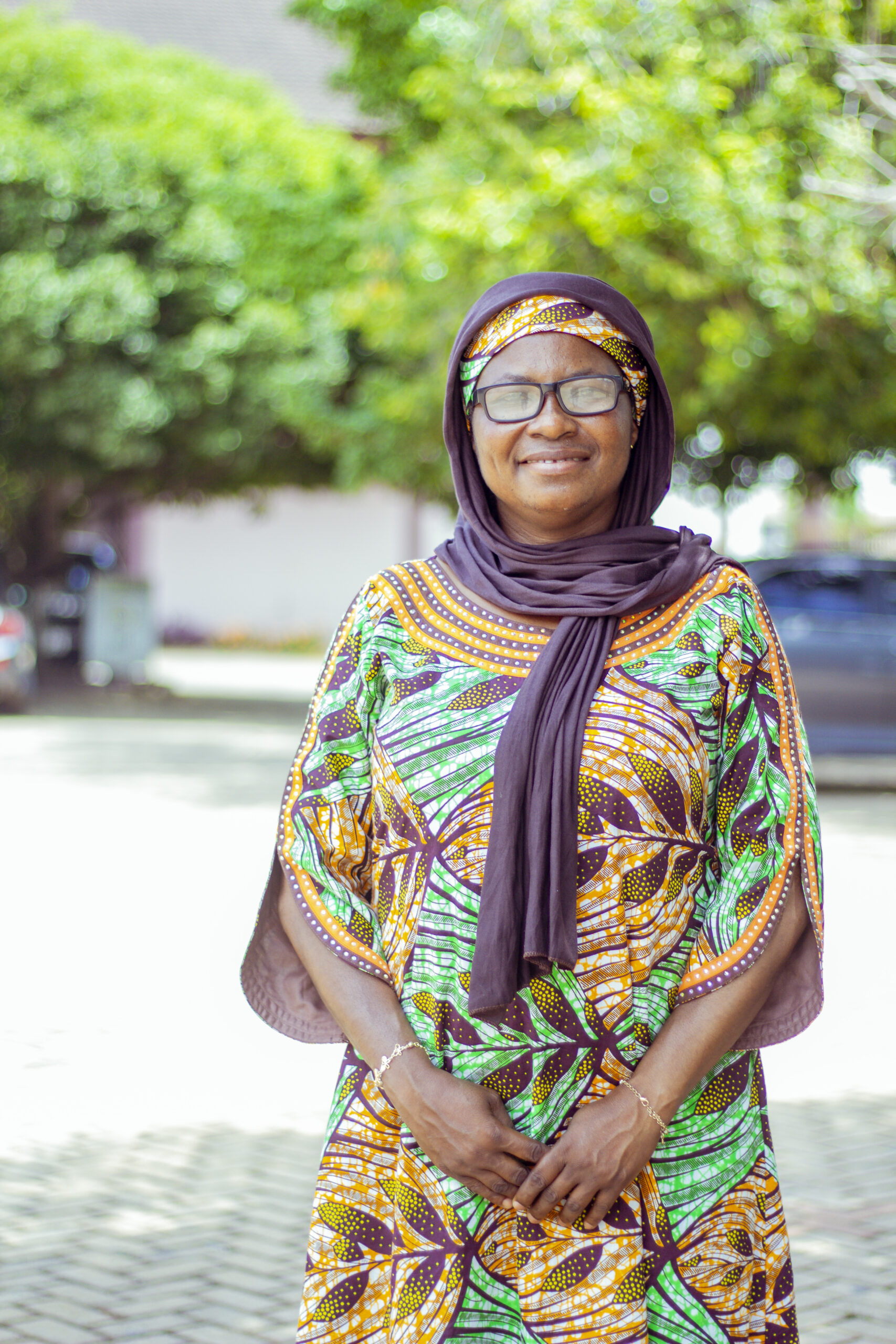
“When we received the grant, we were given the opportunity to come up with our own ideas on how we want to support the deaf women. There were no strict rules to follow which is not the case with most grants.”
Salamatu.
“Because of the grant, we are able to hold regular meetings with the deaf women, reach more communities and conduct trainings to support more deaf women. This was not the case before. Before we were really limited by resources, so our reach and impact were very small.”
“We are supporting the women by giving them the knowledge and ability to advocate for their rights and support them to become entrepreneurs themselves so that they can become independent.”
The African Disability Protocol.
The African Disability Protocol is a framework addressing discrimination faced by people with disabilities in African countries. It aims to protect and promote the rights of people with disabilities in Africa.
Organisations of people with disabilities are implementing this protocol as part of their activities through the Disability Justice Fund for Women. They are raising awareness and educating the public and policymakers about why it should be approved, which is helping more people support it.
Its creation was influenced by the African Union’s commitment to the rights of persons with disabilities, which began with the declaration of the African Decade for Persons with Disabilities in 1999.
Some African Union countries have approved this protocol — Uganda has, but Ghana and Tanzania have not. The goal is to get the countries that haven’t approved it to do so, and to make sure the countries that have approved it actually put it into practice.
How the Women’s Wing is Implementing the protocol.
“One of the reasons for this fund is for us to popularise the African Disability Protocol, create awareness, and ensure everyone gets to know about it. The fund has supported us in a way that we are able to do advocacy for the protocol and add our voices to it.”
“The protocol is about the overall rights of people with disabilities in Africa like the right to education, healthcare, and so much more. With the fund, we have been able to support the deaf women to know and understand these rights and how they can advocate for them.”
“The Ghanaian government has not yet signed the protocol, which is why the Women’s Wing is working to raise awareness about it. We want to make sure people with disabilities can fully enjoy their rights.”
“We have done a number of activities to popularise the protocol. We have done organised meetings in rural areas among people with disabilites. We also want to engage the media, policy makers, and government institutions to create more awareness.”
“We have had positive results with the advocacy and awareness raising about the protocol so far, especially among women with disabilities. Before, most of them were in positions where they could not speak up for justice. But now, they have become very bold and vocal and can advocate for their rights. Some have taken up leadership positions and they can now train other women with disabilities on advocacy regarding the protocol.”
Salamatu.
“People with disabilities still need funding to raise more awareness about disability justice. But when this support is given, we should be the ones leading the work, because that is what truly drives change and strengthens disability justice and inclusion.”
FIND OUT MORE
THE AFRICAN DISABILITY PROTOCOL
The African Disability Protocol (ADP) is the first human rights treaty addressing discrimination faced by people with disabilities in African countries.

DISABILITY JUSTICE FUND FOR WOMEN
This is a participatory fund designed by women with disabilities in Ghana, Uganda and Tanzania, to make sure it meets the real needs of disability justice activists in these countries.