
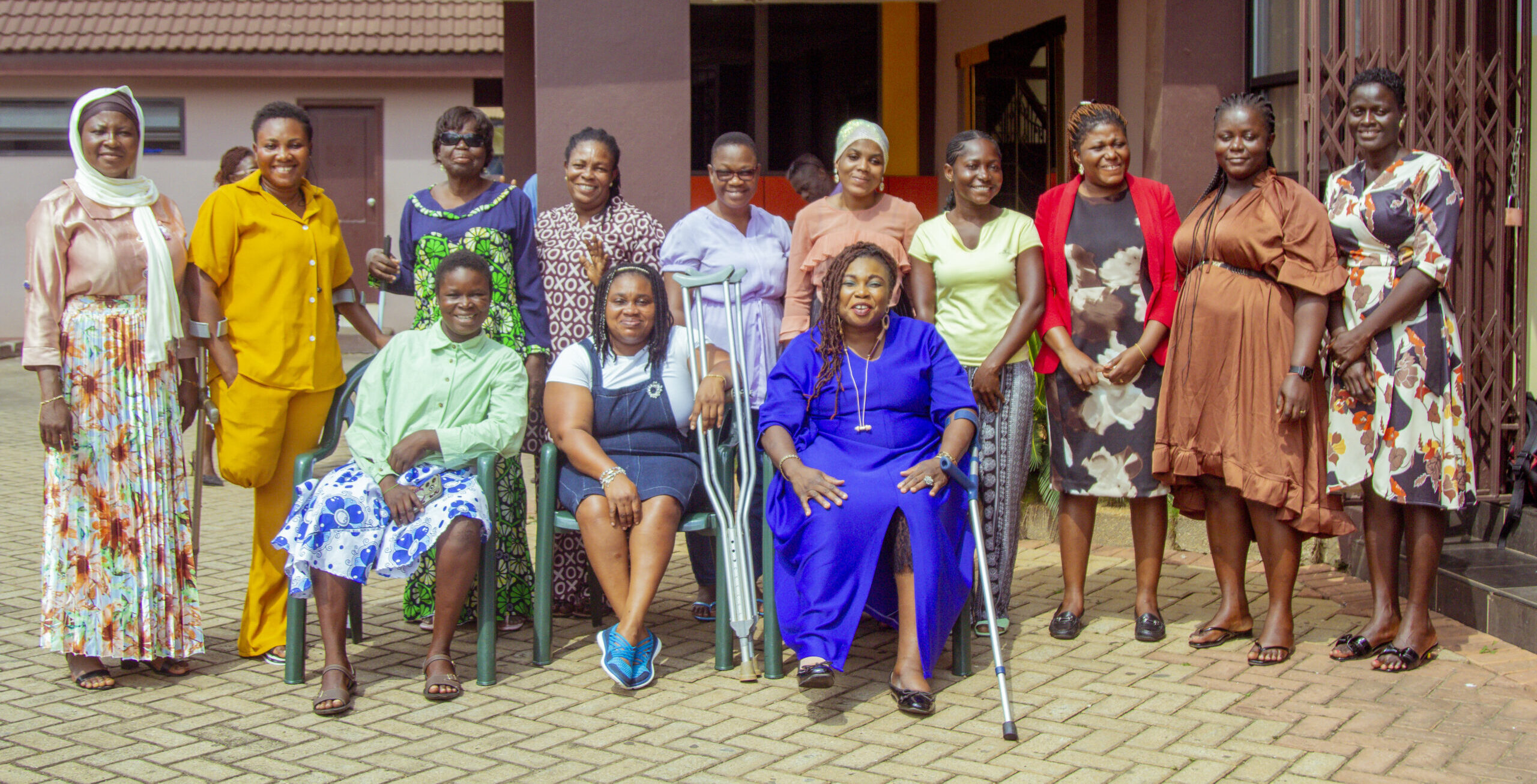
A participatory fund for women with disabilities.
The Disability Justice Fund for Women is a fund designed by women with disabilities in Ghana, Uganda and Tanzania, to make sure it meets the real needs of disability justice activists in these countries.
Grants have been given out to grassroots organisations led by women with disabilities – a group that are often overlooked when it comes to funding. The money is being used by grantees in Ghana, Tanzania and Uganda to support their work advocating for justice and equality and supporting the African Disability Protocol – a framework for disability justice in Africa, as well as activities like income generation, making spaces more accessible, and strengthening disability justice movements to work together.
The Protocol has not yet been ratified in Ghana. However, disability justice activists and organisations of persons with disabilities are working to raise awareness about it and push for its adoption. Through community education and advocacy, they are helping people understand their rights and calling for these rights to be recognised and upheld.
These are the grantees from Ghana.
Mercy – Foundation for Integrated Development and Empowerment (FIDE).
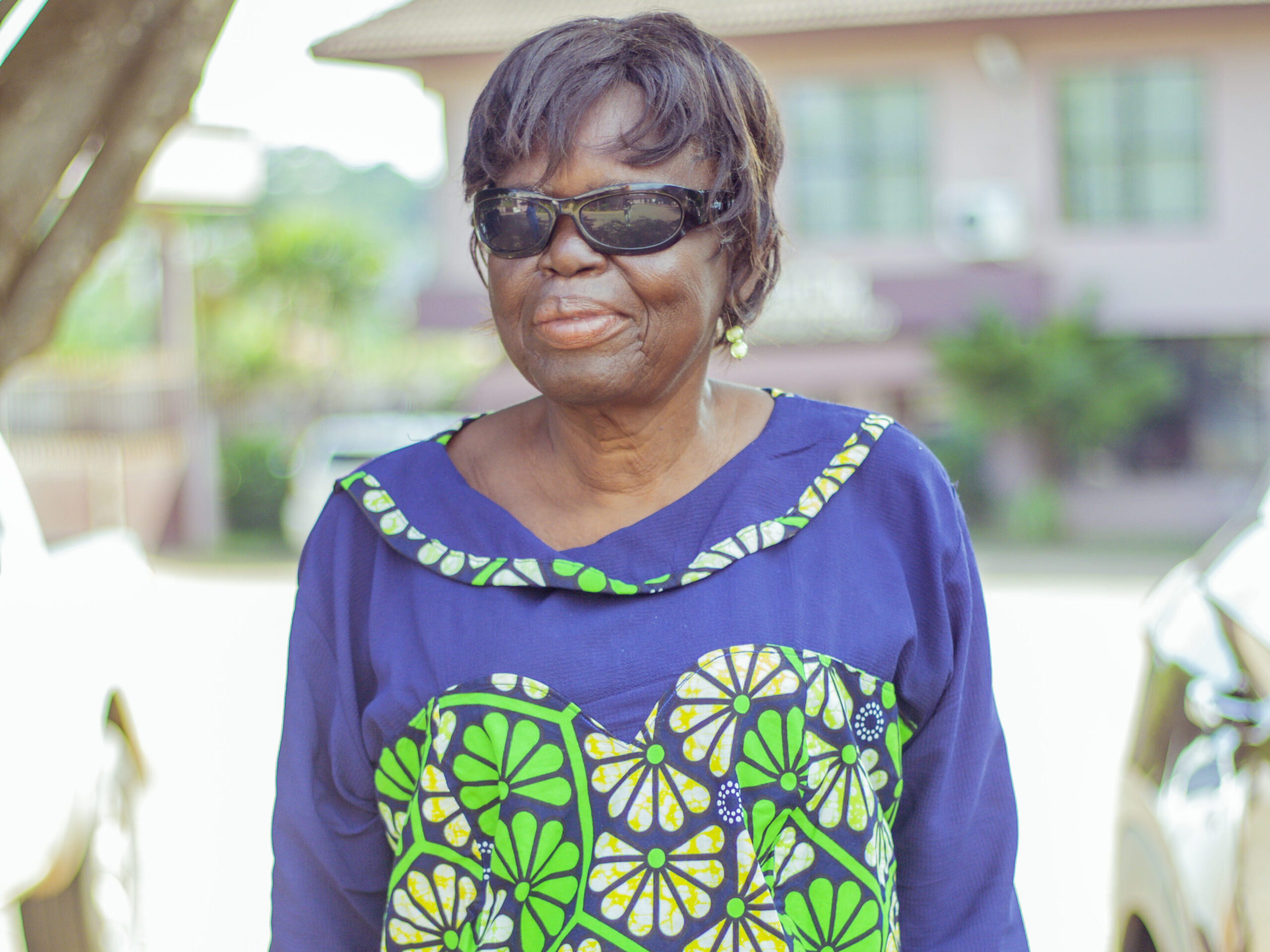
Mercy is the Vice Chairperson of FIDE, an advocacy organisation for girls and women with disabilities in Ghana. FIDE supports and educates them about their rights, enabling them to advocate for themselves.
“We are grateful to receive this fund and it means a lot to us. Women and girls with disabilities in Ghana are suffering due to lack of access to education and skills training like those without disabilities.”
“Access to information is a big challenge to girls and women with disabilities, so they are left behind. This fund has helped us create more awareness and reach them with accessible information especially about their rights.”
“We are using the grant to help people learn about the African Disability Protocol. It explains the rights of people with disabilities. We are translating and sharing it in local languages so that everyone, especially girls and women with disabilities, can access this information.”
“This grant is different from others I’ve experienced because it focuses specifically on girls and women with disabilities. Most grants support women in general but do not address the specific needs and challenges faced by women with disabilities. As a result, we are often left behind.”
Felicity – Women with Disability Advocacy Movement in Mfantseman (WODDAM).
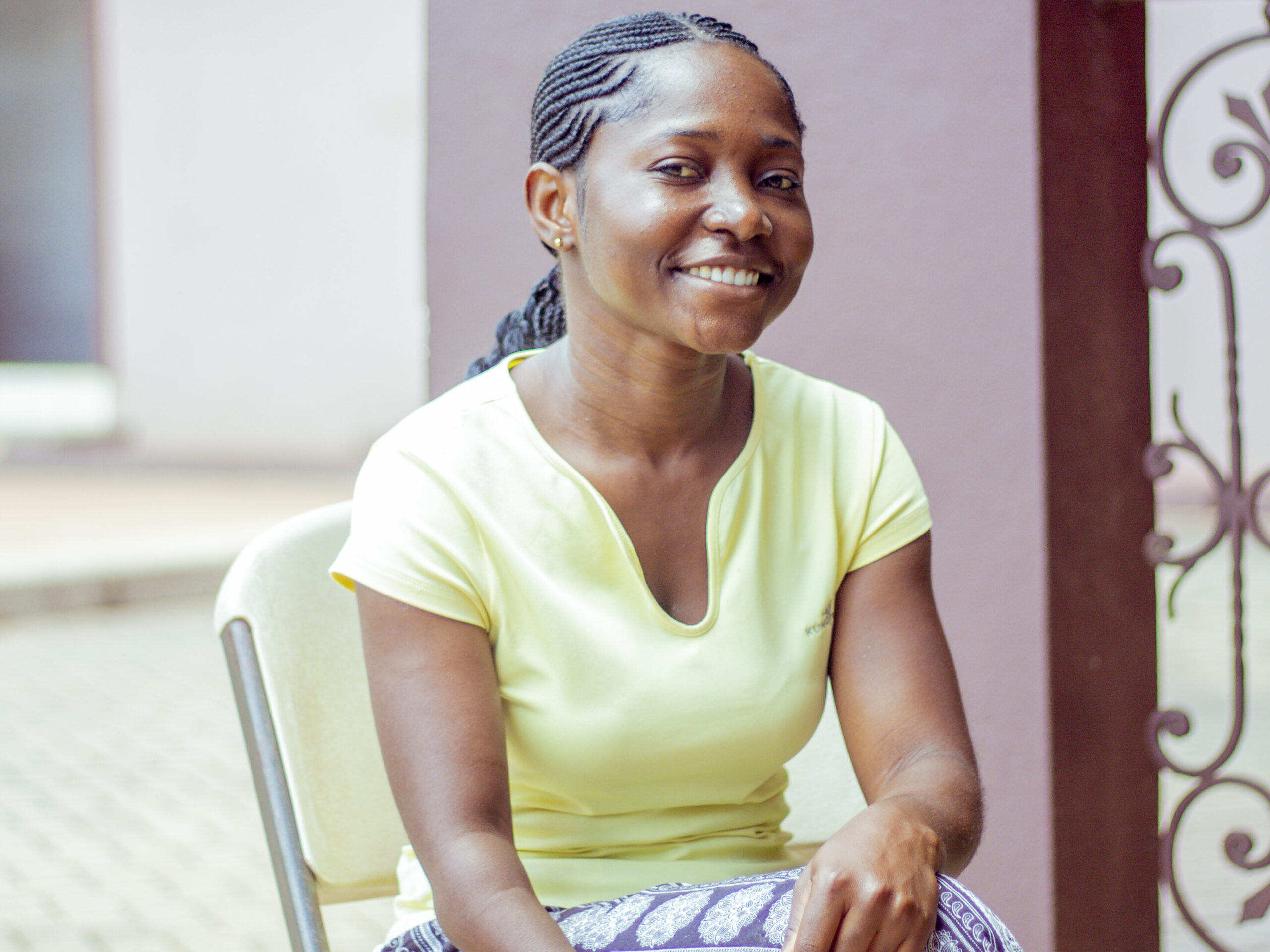
Felicity is the leader of WODDAM an organisation that does skills training, disability advocacy and awareness to support women with disabilities.
“The African Disability Protocol aims to protect the rights of people with disabilities, so our goal as an organisation is to push for it, so that it can be ratified by the Ghana government.”
“We are engaging in advocacy with government leaders and have written to the President, through our district leaders, calling for the passage of laws that protect the rights of people with disabilities.”
“This is our first ever grant and we are very glad to have received it. The grant making process was very flexible and we have learnt a lot through it. With the grant, we have been able to do advocacy and awareness of the African Disability Protocol, in the community and within government institutions and this has helped address discrimination and create more awareness about disability.”
“I want society to better understand the challenges people with disabilities face. This will help reduce stigma and increase awareness. I also hope that more flexible funding is directed to people with disabilities, and that we are trusted to decide how funds are used, based on our lived experience.”
Dorcus – Deaf Rights Advocacy Centre (DRAC).
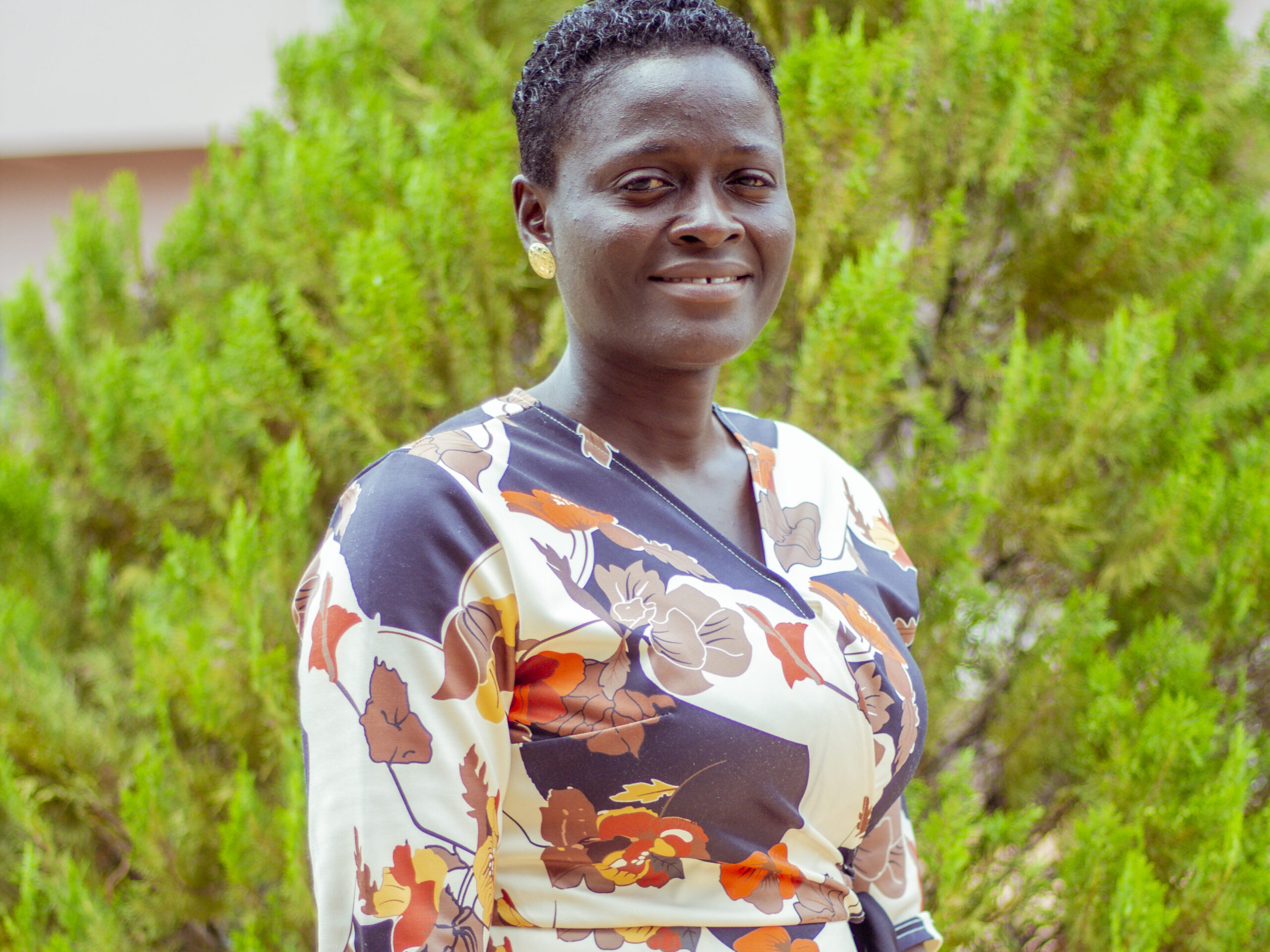
Dorcus is the Team Lead of DRAC, which works to advance the rights of deaf girls and women in Ghana. The organisation builds knowledge around disability rights and has created accessible video resources to raise awareness of the African Disability Protocol.
“As an organisation, we were really excited to receive funding. It has enabled us do more advocacy work for disability justice. And we have been able to reach more deaf women in rural communities with advocacy support and trainings.”
“This is our first ever grant. At first, we were doing volunteer work and raised money from our own pockets. This wasn’t enough, and it limited our reach and the support we were able to offer to the deaf community.”
“We have put all the information about the protocol in sign language format, so that the deaf can easily access the information.”
“However, one of the challenges we face is that not every deaf person understands sign language due to lack of basic education. We hope to receive more flexible funds like this one to enable us do sign language lessons so that no one is left behind.”
Ernestina – Kongo Union of Disabled Societies (KUDS).
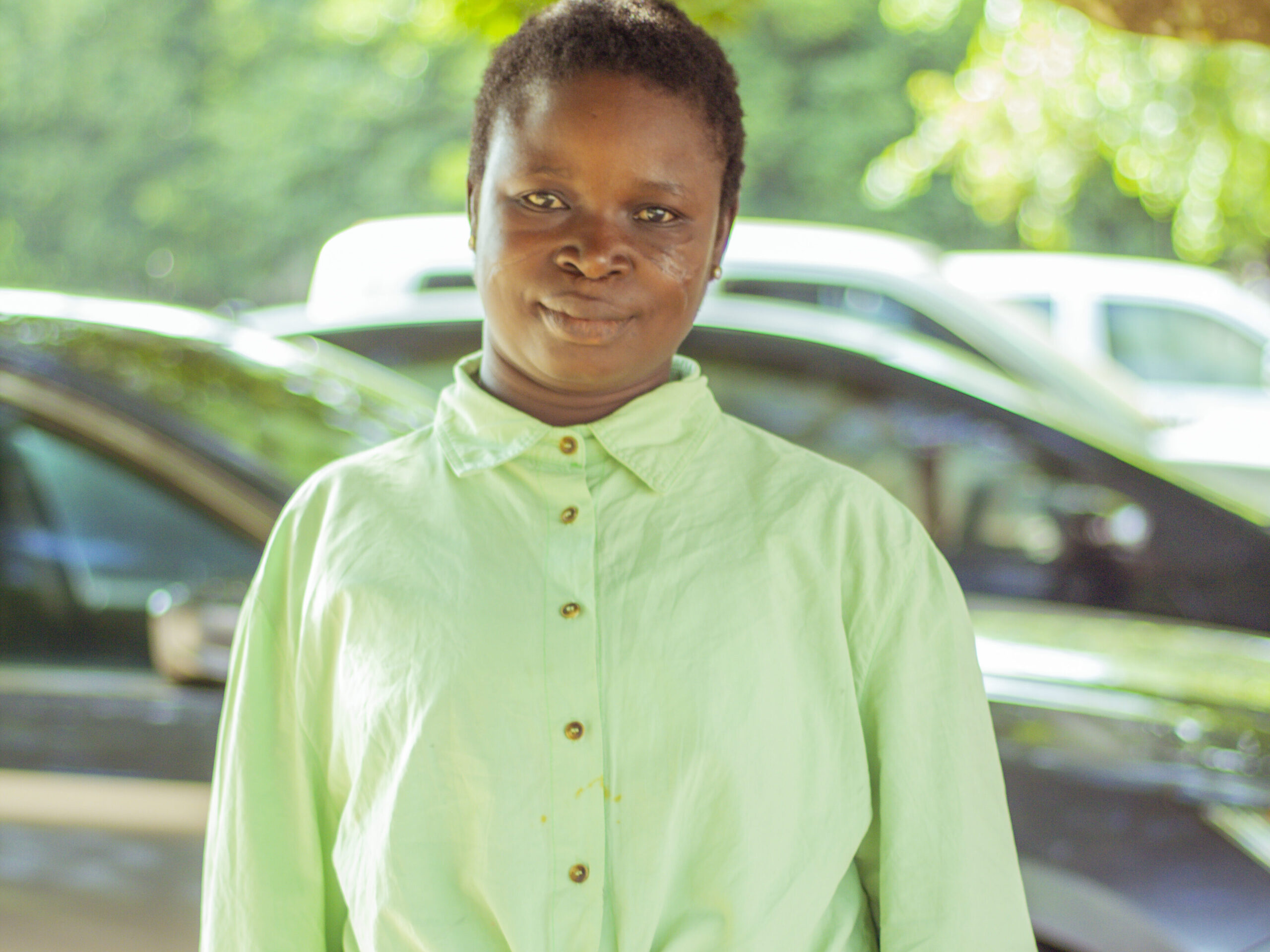
Ernestina is from Kongo Union of Disabled Societies. She is one of the leaders of the group. The organisation supports persons with disabilities in skills training like making soap and shea butter.
“Most families don’t want to be associated with people with disabilities and this has led to stigma especially among women with disabilities. They miss out on opportunities that could help them earn an independent income.”
“We were glad to have received funding. We used it to train women with disabilities with hands on skills and to do advocacy work within the communities we support.”
“Other grants we have experienced were very difficult and came with heavy restrictions. This particular one was easy to access, and it has helped us reach more women with disabilities.”
“We have used the fund to educate women about their rights and to raise awareness about disability among local community leaders, including Chiefs and Queen Mothers. In some communities, there is a belief that a Chief should not see a person with a disability early in the morning. This belief has contributed to stigma against people with disabilities.”
“One of the challenges facing women with disabilities in Ghana is abuse from their families and lack of education. Because of their disabilities, parents refuse to send them to school, and this leaves them even more vulnerable.”
“My hope is that we can receive more funding to do more advocacy and awareness about disability and to equip more women with disabilities with skills to help them be self-employed and live independently.”
Juliana – Voices of Women and Children with Disabilities (VOWAC).
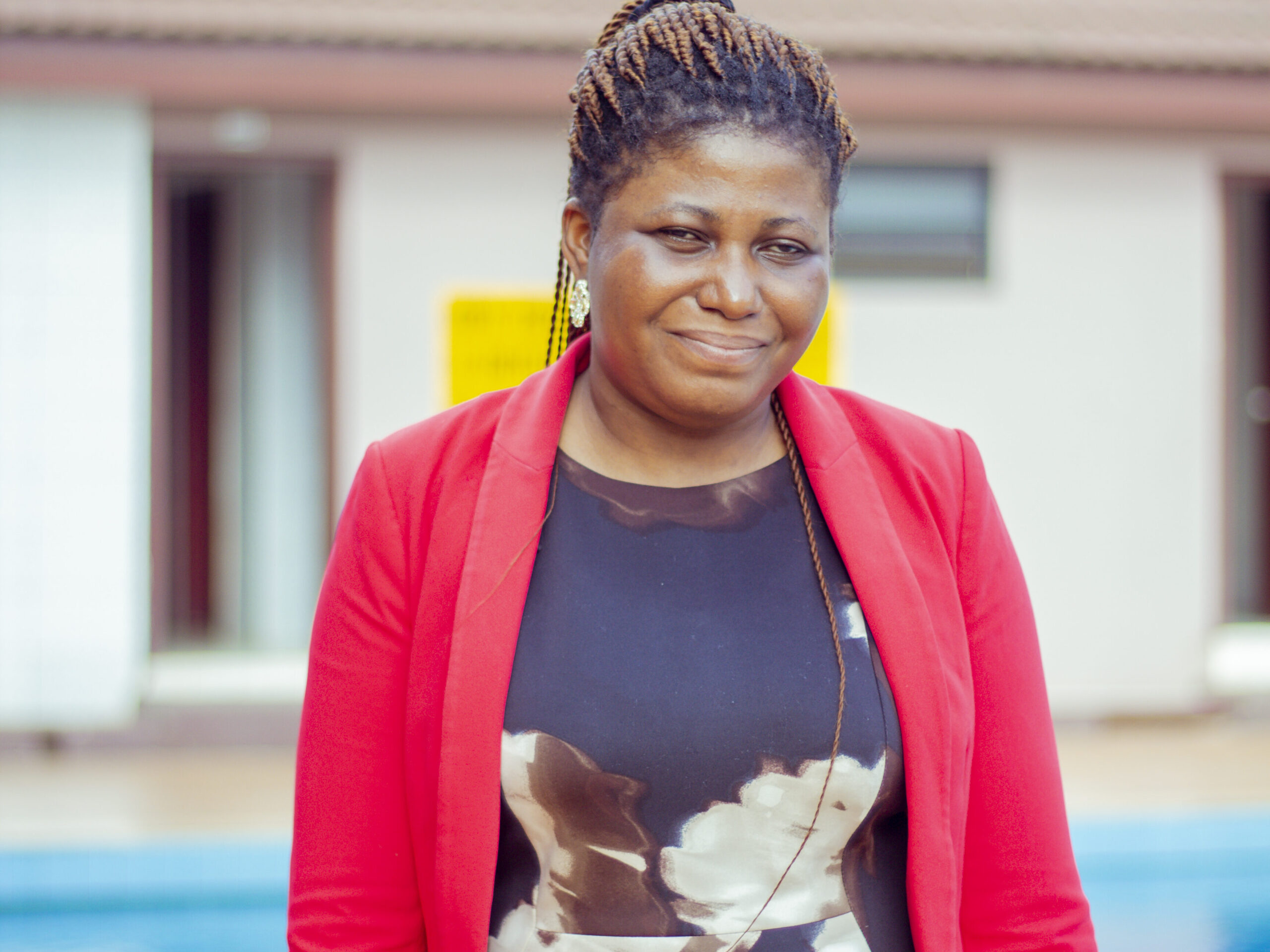
Juliana is the leader of Voices of Women and Children with Disabilities, Ghana. She is also an alumna of ADD International’s 2025 Global Disability Leadership Academy.
VOWAC advocates for the rights, inclusion, and participation of women and children with disabilities and their caregivers.
“We feel great about receiving funding. This grant has supported us in accomplishing our activities. We have reached out and supported women and children with disabilities and their caregivers.”
“We have also created awareness about the African Disability Protocol and how beneficial it will be for them once it is ratified by the government of Ghana.”
“We are also trying to build a strong advocacy movement for women with disabilities in Ghana so that they can come together to strengthen their advocacy efforts.”
“The aid cuts really affected us as an organisation and we were short of funds to conduct our activities. We had lost hope and we did not know how to keep in touch with the disability justice activists or even move forward to implement activities. When we received the grant from ADD International, we were able to decide how the grant was to be used and we had the chance to plan how our activities were to be implemented.”
“This grant is very different from those we have encountered. It was designed by women with disabilities from different African countries including Ghana. They knew the challenges women with disabilities go through and the right approaches and activities to support these women.”
“We have also used the grant to create awareness about the Domestic Violence Act among women with disabilities. We realised that most women with disabilities suffer domestic violence but they cannot speak up, they don’t know where to report, and even those that manage to report are not given attention by the authorities because they have a disability. We have educated them on the existing laws that can protect them.”
“We have developed strategic messages to share on social media to create awareness about the African Disability Protocol and influence government authorities to ratify the protocol.”
“My hope is that more donors consider creating flexible and unrestricted funding opportunities for persons with disabilities. It is one of the best ways to address challenged faced by persons with disabilities because solutions are designed out of lived experience.”
Salamatu – Ghana National Association for the Deaf (GNAD), Women’s Wing.
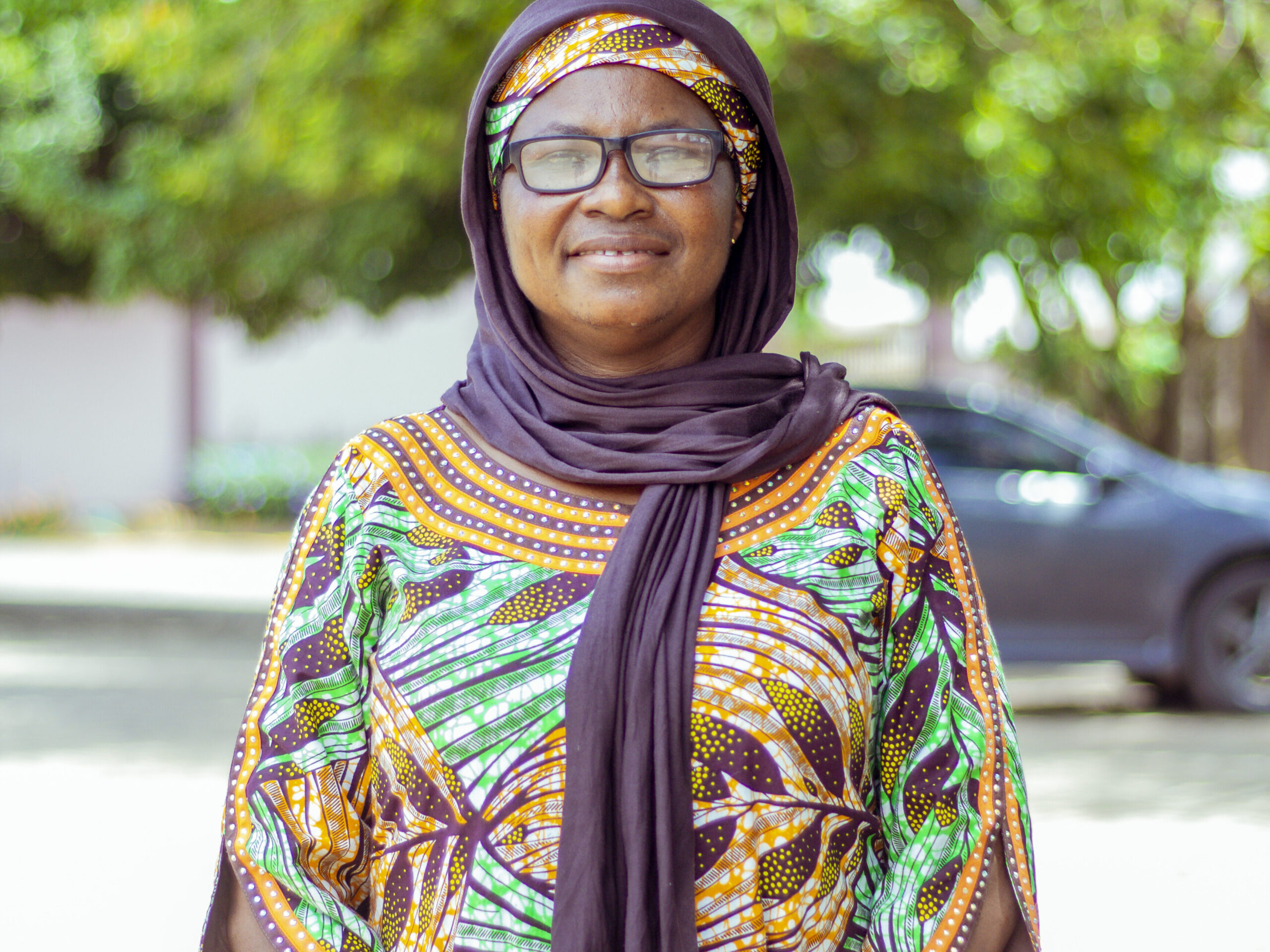
Salamatu is a disability justice activist from Ghana, and the leader of the Women’s Wing of Ghana National Association for the Deaf (GNAD).
The Women’s Wing supports deaf women across all districts in Ghana by providing skills training, capacity building, and advocacy programs to help them gain practical skills and speak up for their rights.
“When we received the grant, we were very happy. We knew that we will be able to do a lot of things for deaf women and reach more communities that we were not able to before because of limited funds. It will also enable us to do more advocacy work, and support the women to become more independent.”
“It has been a long time since the Women’s Wing received any funding. This support is especially important because it is flexible, and it allows us to choose the activities that best meet the needs of deaf women.”
“When we received the grant, we were given the opportunity to come up with our own ideas on how we want to support the deaf women. There were no strict rules to follow which is not the case with most grants.”
“Because of the grant, we are able to hold regular meetings with the deaf women, reach more communities and conduct trainings to support more deaf women. This was not the case before. Before we were really limited by resources, so our reach and impact were very small.”
“We are supporting the women by giving them the knowledge and ability to advocate for their rights and support them to become entrepreneurs themselves so that they can become independent.”
“People with disabilities still need funding to raise more awareness about disability justice. But when this support is given, we should be the ones leading the work, because that is what truly drives change and strengthens disability justice and inclusion.”
Veronica – Women with Disabilities Developmet and Advocacy (WODDAO).
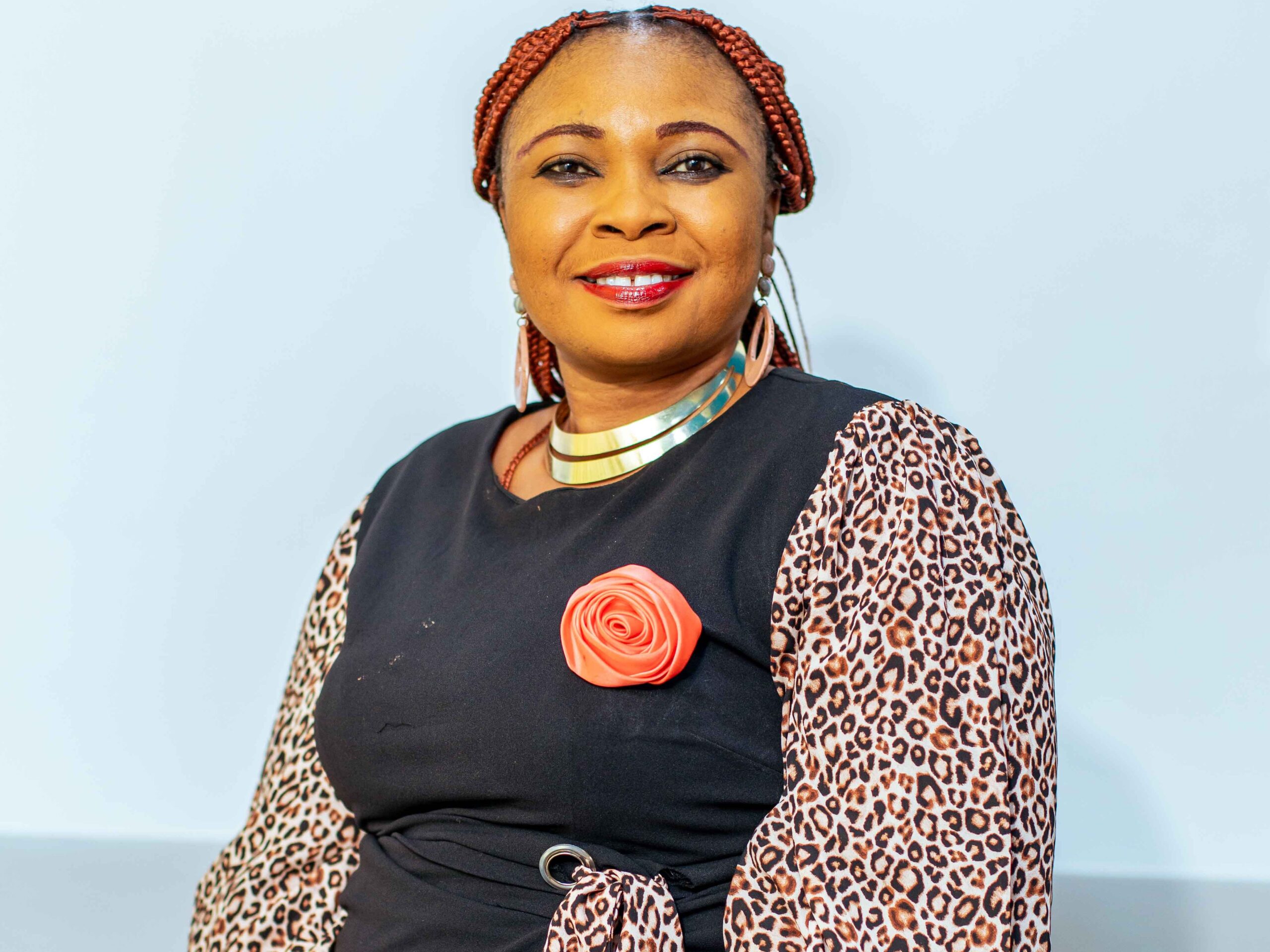
Veronica is one of the members of the collaborative fund team of the Disability Justice Fund for Women. She is also the leader of an organisation of persons with disabilities called (WODDAO).
The fund is made up of two categories; the competitive fund and the collaborative fund. The two categories work together to strengthen the disability movement in Ghana and influence the ratification of the African Disability Protocol.
“The collaborative fund is made up of a network of organisations meant to boost and support the competitive fund groups to carry out advocacy at national level and build a movement of girls and women with disabilities who can actively participate in advocacy through holding advocacy meeting with national stake holders, radio and TV talk shows.”
“Receiving funding meant a lot to us as a collaborative team. We have many advocacy plans and without funding, we would not be able to achieve much. Funding has helped us implement most of our plans.”
“The funding process was very participatory, and we were given power as women with disabilities to make decisions ourselves. This was unique because the donor asked us to identify our own challenges and gave us the power to manage funds and implement our own ideas without restrictions.”
“This is a very flexible fund that considers the voices of women with disabilities. It has given us a safe space to implement our ideas on our own without so much interference and restrictions.”
“There are a lot of gaps in our policies in Ghana that are not in favor of persons with disabilities, especially women and girls. The movement we are going to build through this fund will strengthen and sustain our advocacy work.”
“There’s a lot of stigma and discrimination among women and girls with disabilities in Ghana and this has hindered a lot of their growth and progress in life. My hope is to see a movement where they are able to live independent lives free from any kind of stigma and discrimination.”
FIND OUT MORE
MEET THE DESIGN TEAM
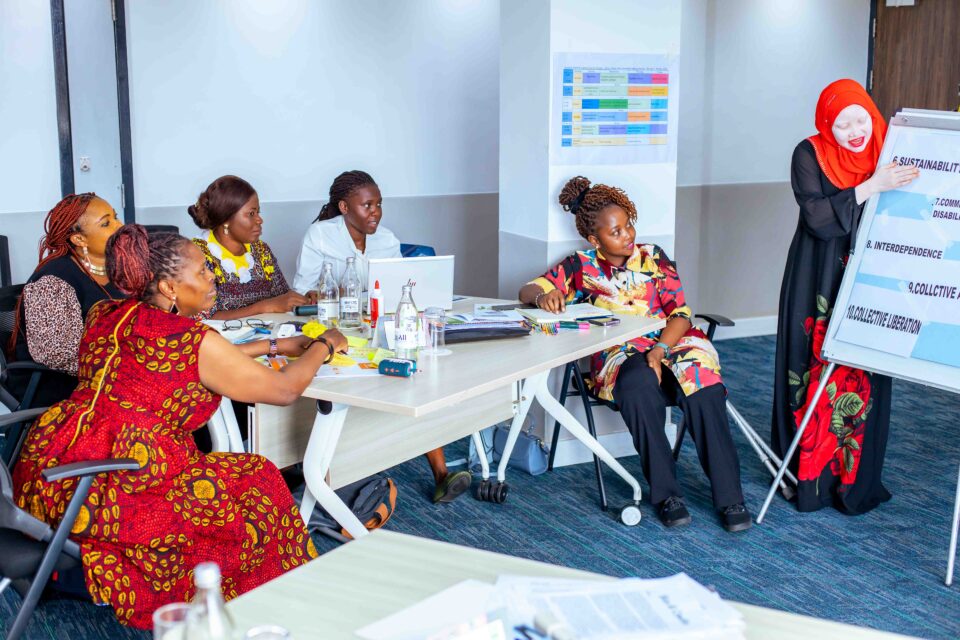
A group of women with disabilities from Ghana, Uganda and Tanzania worked together to decide how funding for women with disabilities should best be spent.


THE AFRICAN DISABILITY PROTOCOL
The African Disability Protocol (ADP) is the first human rights treaty addressing discrimination faced by people with disabilities in African countries.