
About the research.
Persons with disabilities often face unfair treatment in many parts of life, such as getting jobs, being represented, and being recognised. They also deal with other forms of inequality connected to things like class, race, and gender. Even so, disability is rarely seen as a main issue in campaigns that fight against inequality.
Even though these issues are widespread, many movements for inequality don’t actively include the voices and experiences of persons with disabilities. At the same time, disability groups sometimes find it difficult to fully connect their work with other struggles against inequality.
This research project is led by ADD International and funded by Atlantic Fellows for Social and Economic Equity. It engages with campaigners and activists in Ghana and Kenya who focus on disability justice and on reducing inequality. The project is developing a set of tools and resources to support the inclusion of disability in inequality campaigns and vice versa.
Strategies to make collaboration stronger.
The research study found that there are a lot of barriers to collaboration between the disability and inequality movements. We worked closely with study participants to co-develop a set of tools and resources. These tools are designed to support better understanding and collaboration between the disability and inequality movements.
Three key strategies were identified to make collaboration stronger:
- Fairer resourcing
- More intentional collaboration
- Deeper consideration of intersectional issues
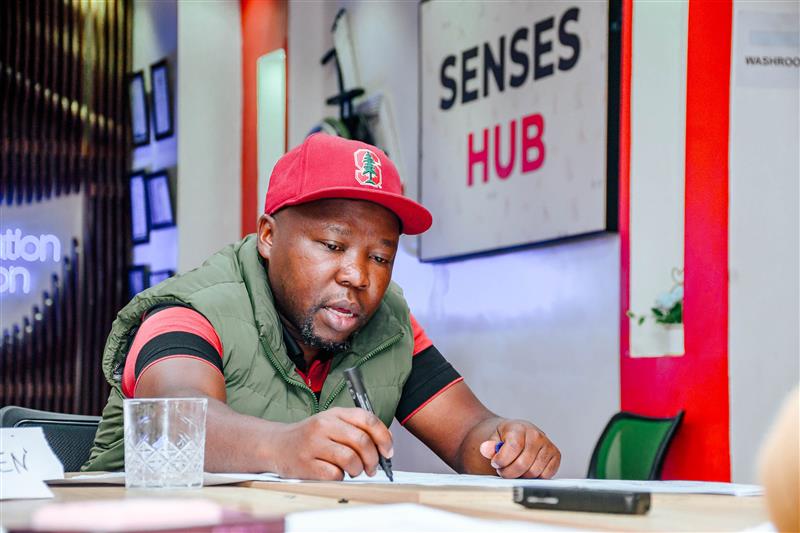
“I have attended so many forums where organisations talk about disability, yet there is no person with a disability in the room.”
Ken Adagala, Inequality activist, Kenya
The collaboration tools and resources.
These tools will not fix all the barriers identified. But they will support activists to reflect on and explore collaboration and provide practical ideas for closer working. We encourage activists to think about other actions they can take in addition to using these tools.
We used these strategies to develop six tools:
- Inclusive budgeting checklist
This tool is designed for organisations developing their project budgets. It suggests key things which should be part of a budget from the very start to include people with disabilities and strengthen their meaningful inclusion.
Access the tool here.
- Inclusive and accessible activity checklist
This is a starting point to think through how to make events, meetings and other activities more inclusive. It is important to consider inclusion at every point of planning, implementation and evaluation. Any organisation can use this checklist to be more intentional about inclusion. It will be useful for any activity, event or meeting where you want a mix of different types of people to participate.
Access the tool here.
- Inclusive and accessible communications guide
The research found that people with disabilities are not always meaningfully considered in organisations’ internal and external communications. This lack of consideration becomes a social justice issue because it means that people with disabilities may not be able to access the information you share. This guide will show you how to make the design and layout of print and digital communications more accessible. It also explores how to consider aspects of representation, consent, and decisions around whose story is being told and how to tell these stories.
The tool will be added soon.
- Reasonable accommodations guide
Our research shows that while many organisations and activists want to include people with disabilities, they are sometimes unsure how to provide the right support. Often, when reasonable adjustments are made they tend to focus on physical access, leaving out other important types of accommodation, such as support for people with intellectual, psychosocial and other disabilities. This guide outlines why reasonable accommodations are necessary and gives examples of what they might look like.
The tool will be added soon.
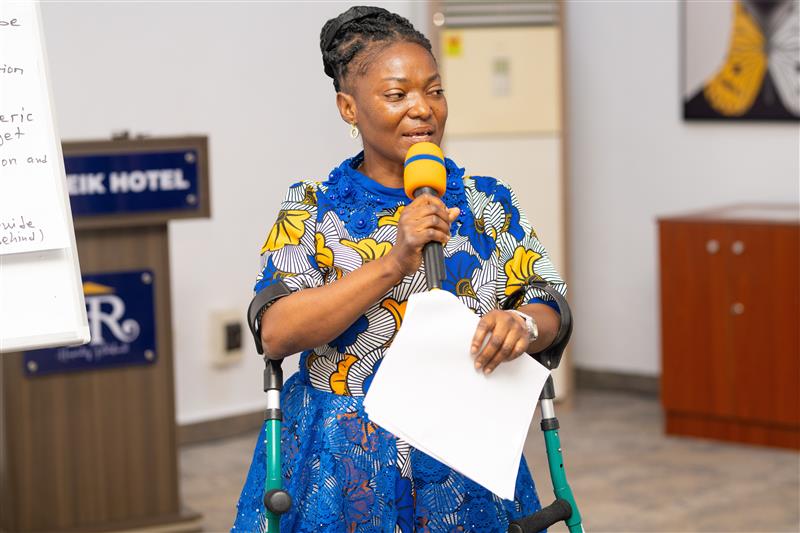
“If we want to have an equal society a society that is fair there should be reasonable accommodation for persons with disability to accommodate our differences and our individual differences based on our different impairment and disabilities.”
Sirina, Disability Justice Activist, Ghana.
- Disability inclusion self-assessment tool
This is designed to help organisations explore their current level of inclusion for people with disabilities and plan for ways to become more inclusive. It can be used at any stage of your organisation’s inclusion journey, whether you are just starting to think about these issues, or you are from an organisation of people with disabilities that wants to include more marginalised groups.
Access the tool here.
- Positionality mapping facilitation guide
The research participants themselves shared many experiences around unequal power dynamics, tokenistic forms of inclusion and exploitative collaboration practices. This facilitation guide will help you to identify these power imbalances before any collaboration starts, giving everyone a chance to recognise and address them. Whether you are starting a new partnership or trying to strengthen an existing one, this guide offers a shared space to reflect on expectations, responsibilities and potential areas of tension.
Access the tool here.
Research project led by ADD International.
Funded by Atlantic Fellows for Social and Economic Equity.

FIND OUT MORE
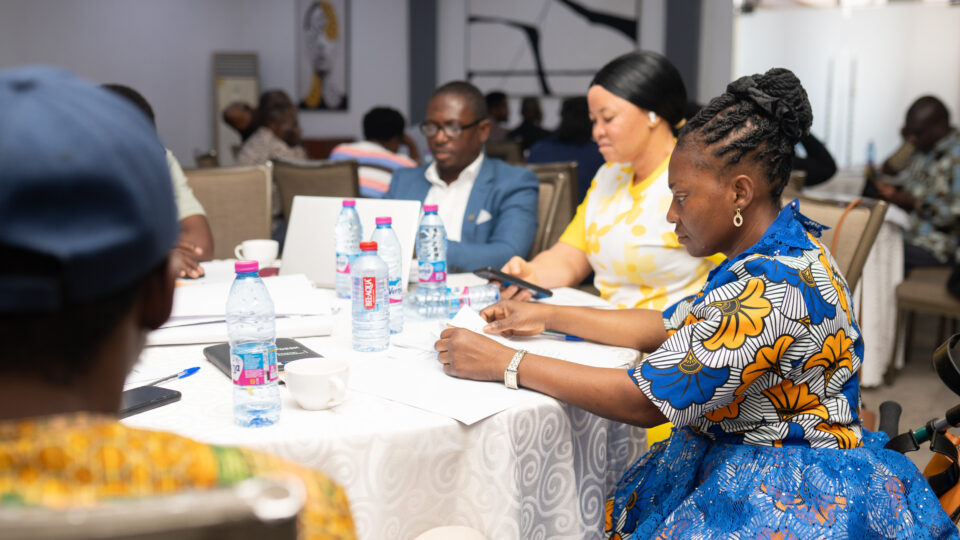
DISABILITY JUSTICE AND INEQUALITIES RESEARCH
A research project led by disability justice activists and inequality campaigners.
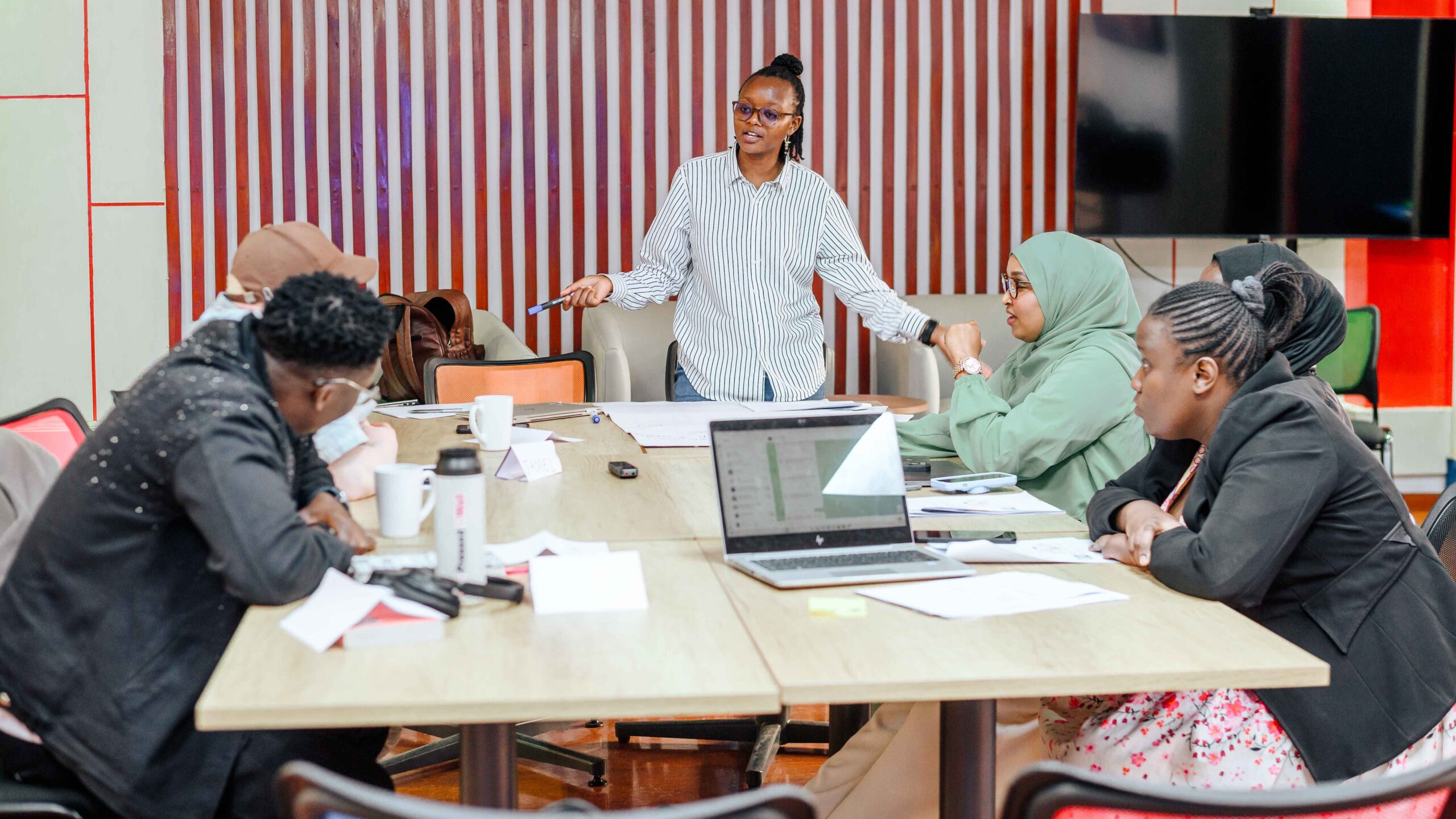
CONNECTING DISABILITY JUSTICE WITH WIDER CHALLENGES TO INEQUALITY
A blog by Liz Sayce exploring the link between disability justice and broader inequalities.