
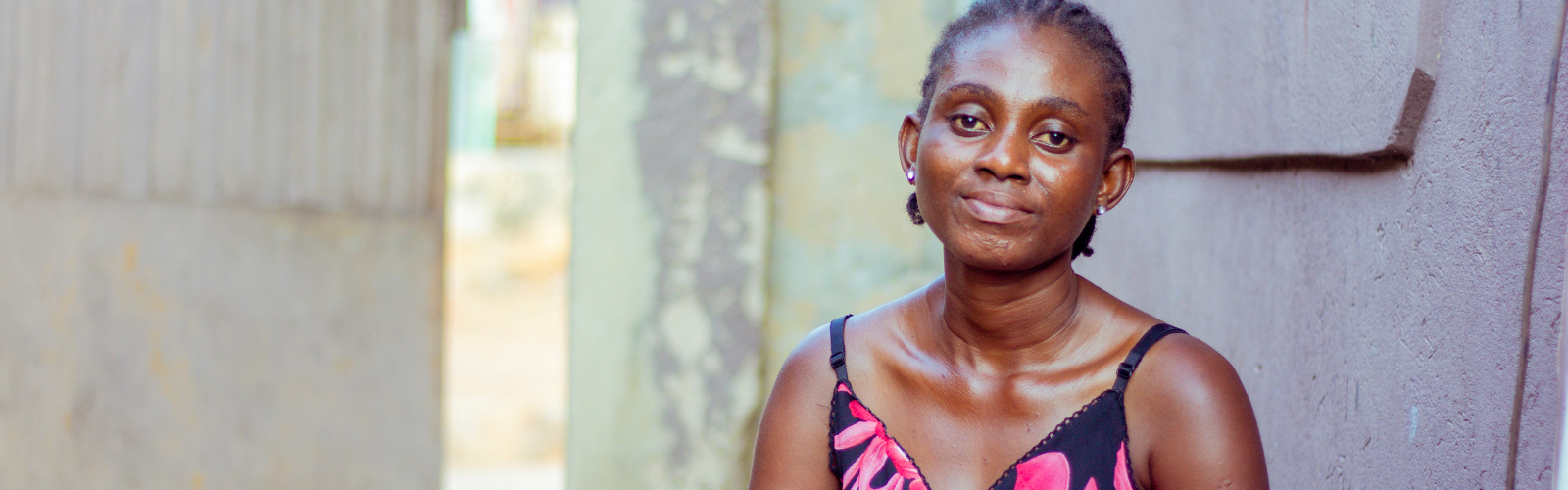
Abigail is a hairdresser and disability justice activist from Ghana. She is one of the deaf women supported by the Women’s Wing of Ghana National Association of the Deaf (GNAD), where she received skills training. Driven by her passion for hairdressing—Abigail has established a small business that she runs in a shared space with her brother.
About the Women’s Wing.
The Women’s Wing is one of the women groups in Ghana that received funding under the Disability Justice Fund for Women. They support deaf women across all districts in Ghana by providing skills training, capacity building, and advocacy programs to help them gain practical skills and speak up for their rights. They also run income-generating programmes, including training in tailoring, hairdressing, soap making, and bead making. They are a part of GNAD, the umbrella organisation of Associations of Deaf People in Ghana.
Abigail’s Motivation and Passion to Start Hairdressing.
“When I completed school, I decided to learn a hands-on skill that will help me earn money to live independently.”
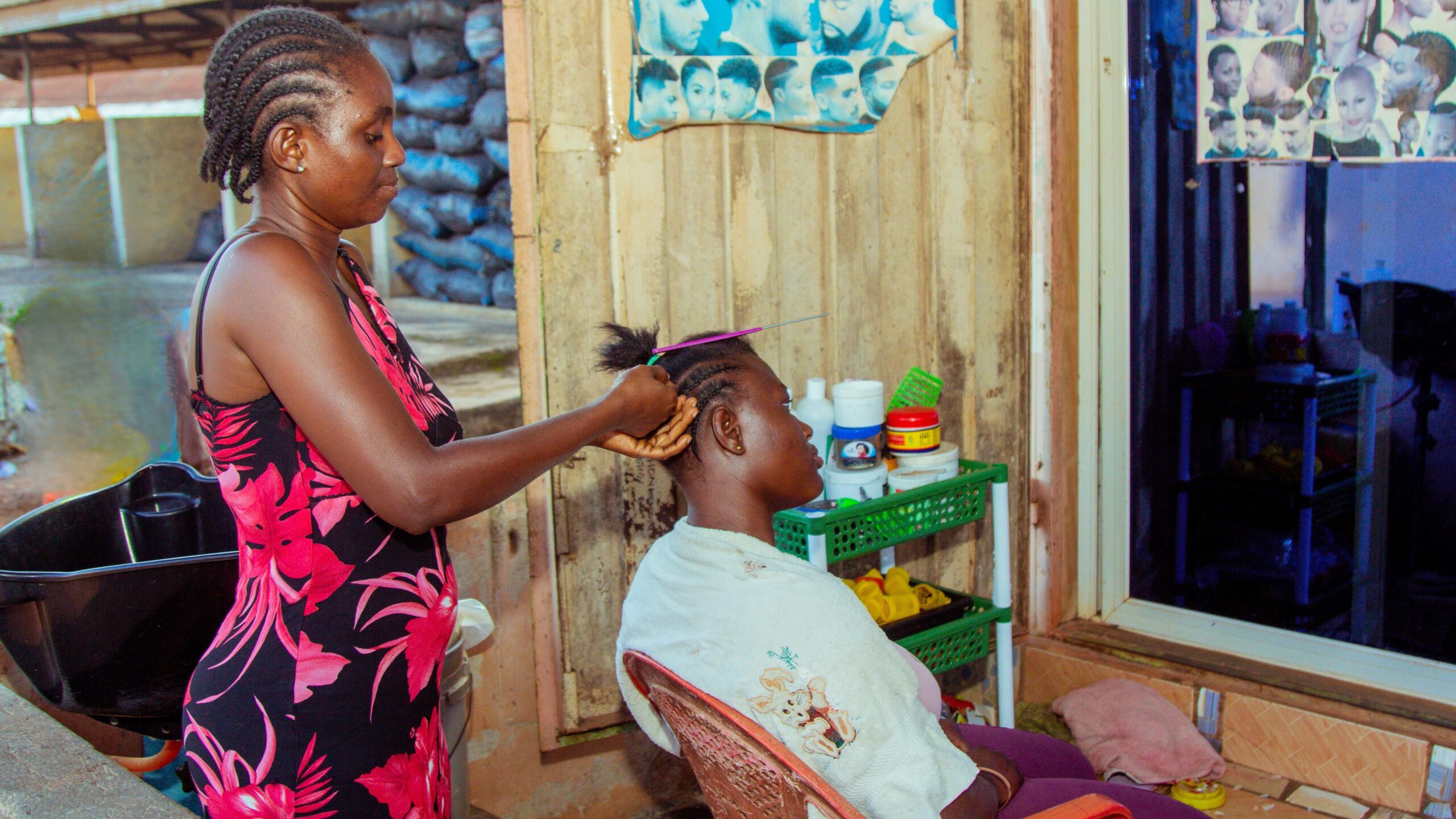
“I love braiding hair, so I decided to learn and develop the skill. Once I mastered it, I started my own hairdressing business. At first, I didn’t have many clients, but as time went on, people in my community began to notice the quality of my work—and that’s when more clients started coming.”
“There’s a community around me that has many deaf people who are part of GNAD. GNAD representatives moved around the community to mobilise deaf people to join the association, and that’s how I was introduced to the association and the Women’s Wing.”
“Through GNAD and the Women’s Wing, I was able to get some funds to buy salon equipment and boost my business. Some of the machines are quite costly so getting support from GNAD has been very helpful.”
Changing Perceptions Towards Disability.
Abigail is changing attitudes towards persons with disabilities in her community through her talent and creativity.
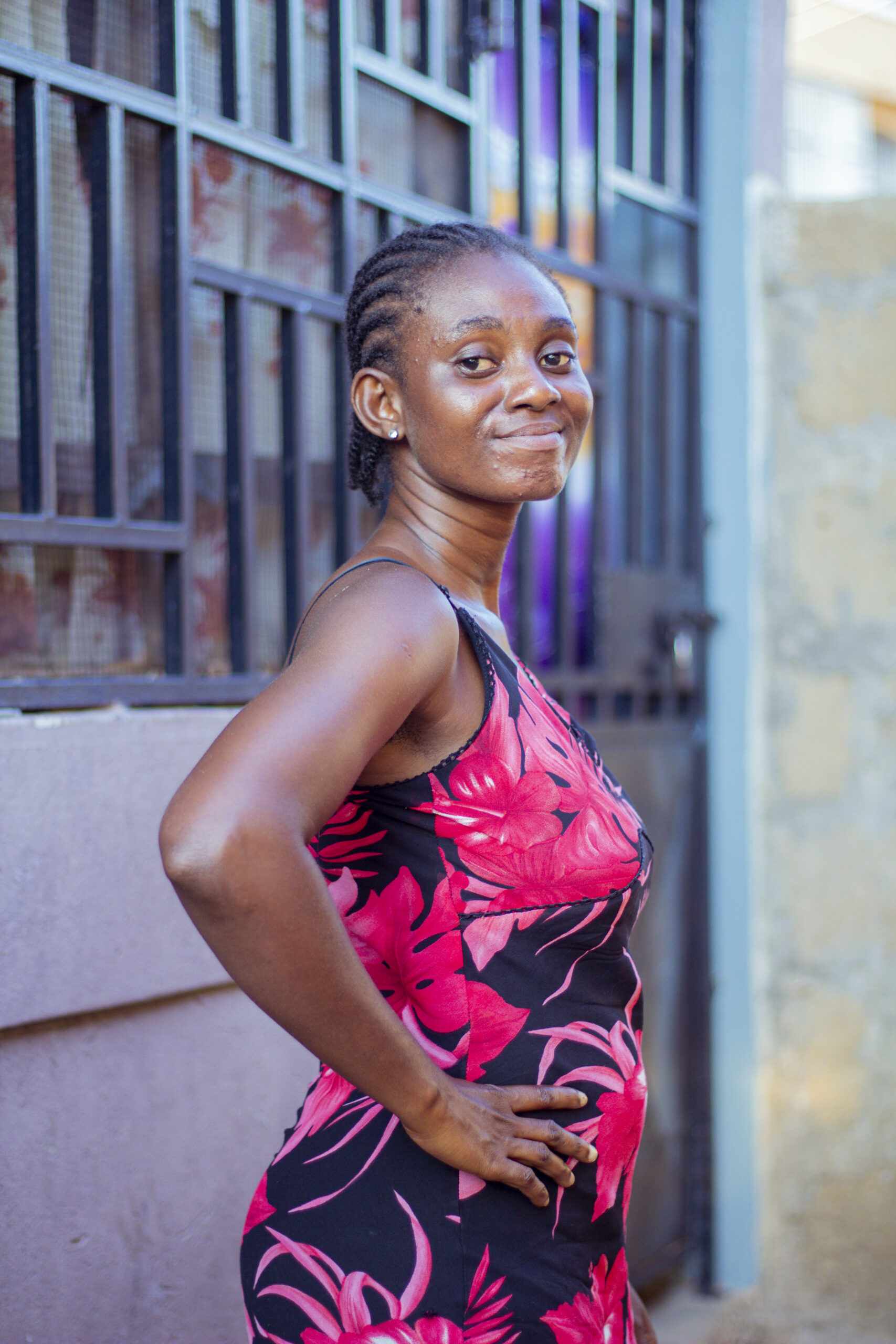
“I’ve built strong relationships within my community, especially with my clients. My services are affordable and of good quality, and I’ve also learned how to provide good customer care. Because of this, I now have many clients, and my income has increased. I’m able to support my family and live independently.”
Abigail.
“Most of my clients are people who are not deaf so to bridge the communication gap, I use images on my phone and a chart on the wall that show different hairstyles. Some clients also bring photos of the styles they want. This makes it easy for us to communicate and choose their preferred hairstyle.”
“In my community, people often assume that deaf people or people with disabilities in general are always begging. But I believe that perception is changing. They see me working, and they’re impressed by the hairstyles I’m able to create.”
“With the work that I am doing, I have motivated and inspired many young people with disabilities who aspire to start their own businesses. The challenge is they lack the funds to start.”
Hopes for the Future.
“Right now, I share a space with my brother. What I envision soon is to be able to expand my business, have my own shop and space to establish my salon. I have saved some money, but it is not enough for me to rent my own space.”
“I encourage people with disabilities to always have goals in life and aim towards achieving them. They should not let their disabilities limit them because we all have the capacity of doing great things.”
“However, many people with disabilities still need funding support to be able to set up their own businesses and live independently. We should be given the opportunity to lead and decide how the funds are used because we understand our own challenges and the right solutions.”
FIND OUT MORE
SALAMATU’S STORY
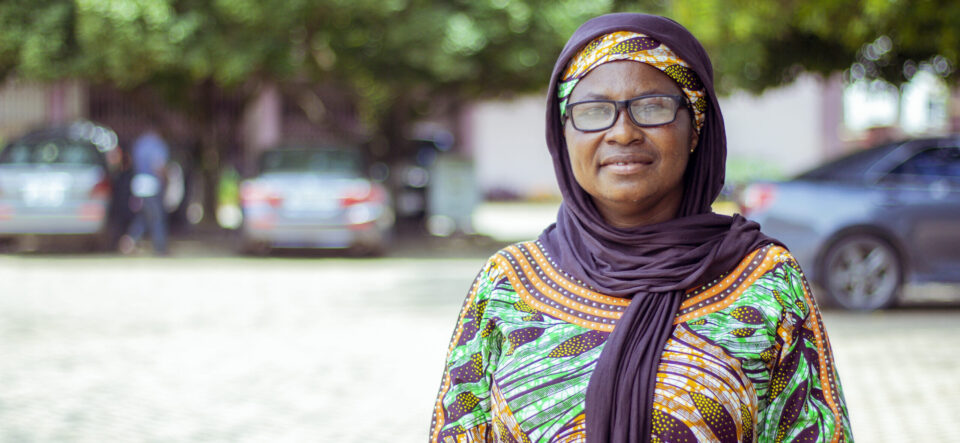
Salamatu is a disability justice activist from Ghana, and she is very passionate about advocating for the rights of deaf people and loves seeing them taking up the spaces and opportunities they rightfully deserve.

DISABILITY JUSTICE FUND FOR WOMEN
This is a participatory fund designed by women with disabilities in Ghana, Uganda and Tanzania, to make sure it meets the real needs of disability justice activists in these countries.